
Plates are placed on the table with care. The effort behind them is invisible but heavy. Then comes the reaction many parents know too well: a loud, shared “Yuck.” This moment captures the reality of the “food parent,” a role that extends far beyond cooking and often feels nonstop.
The food parent is responsible for feeding children day after day, without pause. According to Dr. Colleen Reichmann, an eating disorder and perinatal psychologist, the pressure tied to this role rarely eases.
“The pressure is relentless,” Reichmann explains. “In my opinion, it’s endless work throughout every day, seven days a week.”
What the “Food Parent” Role Includes

The term “food parent” does not refer only to preparing dinner. Reichmann defines it as managing nearly all the thinking and labor behind feeding children. That includes:
1. Planning meals and snacks
2. Grocery shopping and budgeting
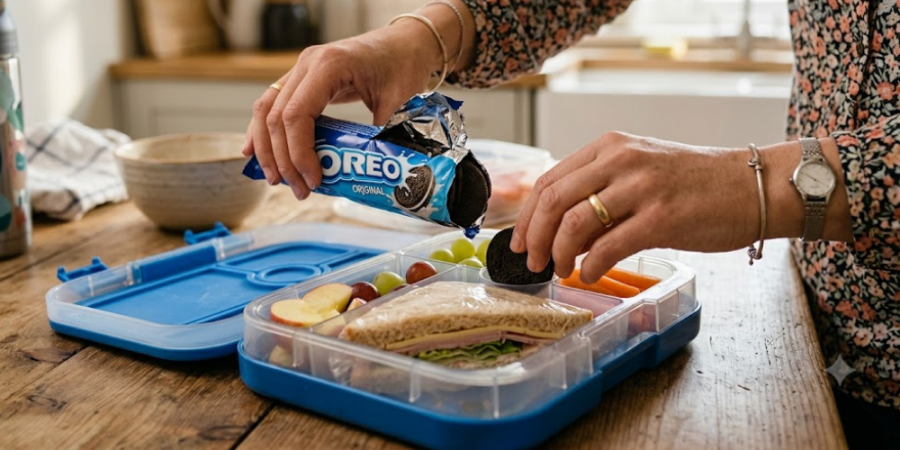
3. Deciding what works for school lunches
4. Packing lunches day after day
5.Cooking meals and adjusting recipes
6. Managing selective or picky eating
7. Handling leftovers and food waste
Each task may seem small on its own. Together, they create a constant mental checklist that rarely turns off.
Why Mothers Carry Most of This Work
In many households, the food parent is still the mother. Research supports this pattern.
A 2024 study conducted by Eve Rodsky’s Fair Play Institute with the University of Southern California surveyed 500 participants. The findings showed that women take on the cognitive labor for most household responsibilities, including grocery shopping, meal prep, lunch packing, cooking, and dishes.
Reichmann, a Philadelphia-based mother of two, has experienced this imbalance firsthand. Even in homes aiming for equal partnerships, food responsibilities often drift toward mothers.
“We try to use feminist partnership values, but it just happens if you’re not super careful,” she says. “The way our society is set up, mothers just slide into taking things on without realizing it.”
The Emotional Toll of Feeding Kids
Food rejection hits harder than many expect. When children refuse meals and ask for snacks instead, frustration builds. For Reichmann, whose household includes a “highly selective” eater, these moments take an emotional toll. “Honestly, for me it’s very upsetting,” she says. “I really have to do a lot of self-soothing through making meals.”
These feelings are widely shared. When Reichmann discussed the food parent experience on Instagram, parents responded with raw honesty:
“This hits home. I was crying last night over my toddler not eating at dinner, and that mental burden is not shared by my husband.”
“The mental hoops I jump through each day to make sure my picky toddler is fed is exhausting.”
“Throwing leftovers away because no one ate them is heartbreaking. There’s guilt, waste, and no space in the freezer.”
“Responsibility for a child’s body size is placed on the mother. If a child is in a bigger body, it’s seen as her failure.”
These comments reflect how closely food, parenting, and judgment are tied together.
Why the Pressure Feels Different for Moms
Even when fathers take over food duties, the emotional weight often remains uneven. Reichmann points out that eating issues in society are still directed mostly at women.
“If the father does take this all over, it’s still not as big of a burden,” she explains. “Eating issues are so skewed toward women.”
Parents are expected to raise children who eat well, get enough nutrients, and maintain a healthy relationship with food. At the same time, there is pressure to stay body-positive and avoid passing down disordered eating habits. Balancing these goals can feel impossible.
The Added Stress of “Perfect” Eating Standards

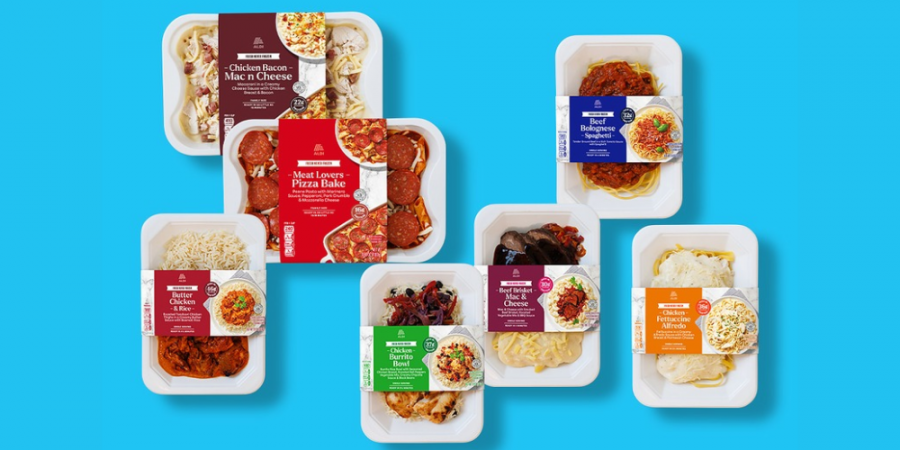
Current conversations around food often criticize processed or prepackaged options. This trend increases stress for food parents, especially mothers. The expectation is no longer just to feed children, but to feed them the “right” foods at every meal.
Balanced, home-cooked meals are helpful, yet Reichmann cautions against turning this ideal into another measure of failure. Relying on prepackaged foods does not make someone a bad parent. When standards become too rigid, they add shame instead of support.
“It starts to feel like another way to constantly be failing as a mother,” she says.
Ways to Reduce the Food Parent Burden
Shifting food responsibilities takes effort and patience. Every household will approach it differently, yet Reichmann suggests starting with awareness.
First, identify which food-related tasks feel most stressful. Is it grocery shopping, managing picky eating, or dealing with leftovers? Once those triggers are clear, partners can redistribute tasks more thoughtfully.
A task that feels overwhelming to one person may feel manageable to another. “Think of it as a really weighted domestic task,” Reichmann explains. “If other things have a 10% weight, being a food parent has 70% and needs to be dispersed a bit more.”
The food parent role touches every part of daily life, from nutrition to emotions to social expectations. It is not just about meals. It is about mental energy, responsibility, and constant decision-making.
Recognizing the full scope of this role is the first step toward sharing it more fairly. When the load is divided, mealtime has a better chance of feeling supportive rather than exhausting.