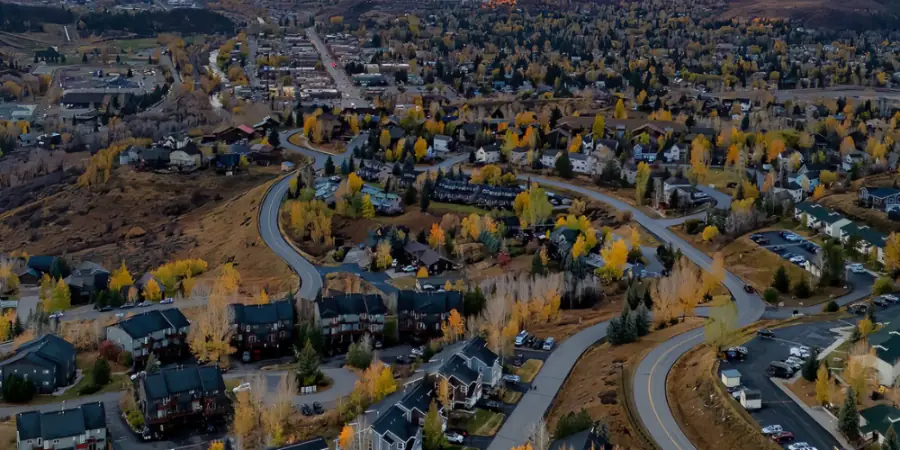
Colorado’s mountain towns usually bring one name to mind first: Aspen. Yet while crowds line up for reservations and packed ski weekends there, another destination in the Yampa Valley has quietly built one of the state’s most satisfying dining scenes. Steamboat Springs combines ski-town comfort, ranch-country traditions, and thoughtful cooking without turning every dinner into a social event.
Set more than 6,700 feet above sea level, the town has long been known for powder-filled winters, natural hot springs, and outdoor adventure. At the same time, its restaurant culture has grown into something far more interesting than standard mountain fare.
Historic streets now hold kitchens serving handmade pasta, carefully aged steaks, inventive brunch plates, fresh seafood, and locally roasted coffee that rivals bigger culinary cities across the West.
Unlike trend-driven destinations, Steamboat Springs keeps things relaxed. Restaurants focus on consistency, local sourcing, and warm service rather than flashy presentations or celebrity-chef branding. That understated approach has become part of the town’s appeal.
A Mountain Town With Deep Roots
Steamboat Springs carries a strong sense of identity. The town has produced 96 winter Olympians, more than any other community in North America. That statistic says a lot about the local mindset. Precision, discipline, and dedication shape daily life here, and those same qualities appear in the kitchens lining downtown streets.
The heart of town runs along Lincoln Avenue, where restored brick buildings from the early 1900s stand beside wooden sidewalks and historic storefronts. The area still feels tied to Colorado ranch culture rather than curated resort aesthetics. Cowboy hats are common because working ranches surround the valley, not because visitors want photos for social media.
Inside those century-old buildings, restaurants turn out meals that easily compete with larger food destinations like Denver or Boulder. Evening walks through downtown bring the scent of wood-fired pizza, grilled steaks, fresh bread, roasted garlic, and slow-cooked sauces drifting into the cold mountain air.
Why Local Ingredients Matter Here
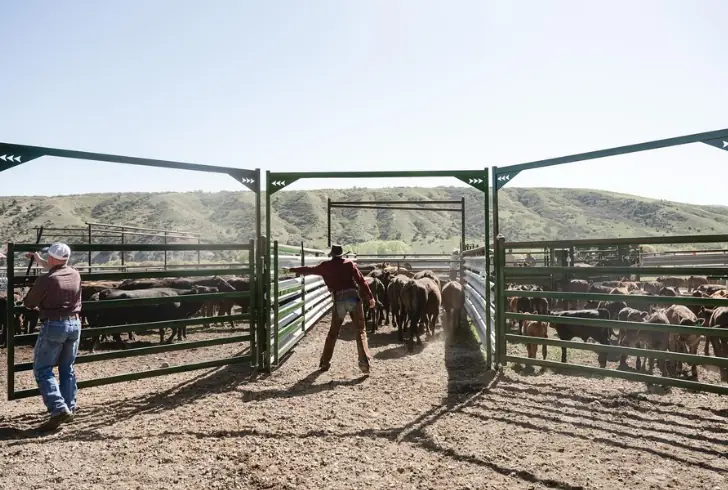
Many cities use “farm-to-table” as branding language. In Steamboat Springs, it reflects everyday reality. The surrounding Yampa Valley supports ranches, farms, and producers that supply restaurants directly with beef, lamb, dairy, and seasonal produce.
That local connection changes the quality of the food. Beef often comes from cattle raised within sight of the dining room itself. Seasonal vegetables arrive fresh from nearby farms instead of long-distance distributors. Menus shift naturally with the weather and harvest cycles.
Restaurants across town build dishes around Colorado ingredients rather than importing trends from elsewhere. As a result, meals feel connected to the region instead of designed purely for presentation.
Breakfast Is Taken Seriously
Outdoor culture shapes eating habits in Steamboat Springs. Skiers, snowboarders, hikers, cyclists, and anglers all need substantial meals before long days outside. Breakfast menus reflect that demand.
Classic Western omelets remain popular, loaded with vegetables, cheese, and locally sourced meats. Eggs Benedict appears in several creative forms, while pancakes arrive thick and fluffy enough to satisfy even the hungriest skiers. Breakfast burritos often become full meals on their own, packed with eggs, potatoes, green chile, and smoked meats.
Coffee also plays an important role in town culture. Several local cafés open before sunrise to serve early-morning visitors heading to the slopes. Independent roasters supply many shops with carefully sourced beans, while baristas focus on proper espresso extraction and hand-poured brewing methods instead of rushed service.
The result is a coffee culture that feels polished without becoming overly serious or intimidating.
Lunch Options Go Beyond Ski-Town Basics
Many mountain towns rely heavily on quick comfort food during the day. Steamboat Springs takes a broader approach. Casual lunch spots serve sandwiches stacked with smoked meats, roasted vegetables, fresh cheeses, and house-made sauces on freshly baked bread.
Salads also move well beyond standard side dishes. Restaurants build full plates with roasted root vegetables, grains, greens, nuts, local cheeses, and scratch-made dressings that offer enough substance for active travelers.
Mexican food has become another standout category. Authentic tacos, enchiladas, and slow-cooked moles reflect the town’s diverse workforce and growing food culture. Several local spots focus on traditional recipes rather than heavily Americanized versions.
Asian cuisine has also expanded steadily. Thai curries, Japanese ramen, sushi, and noodle dishes appear throughout town, often prepared with surprising attention to detail for a mountain community of this size.
Steakhouses Reflect Colorado Ranch Country
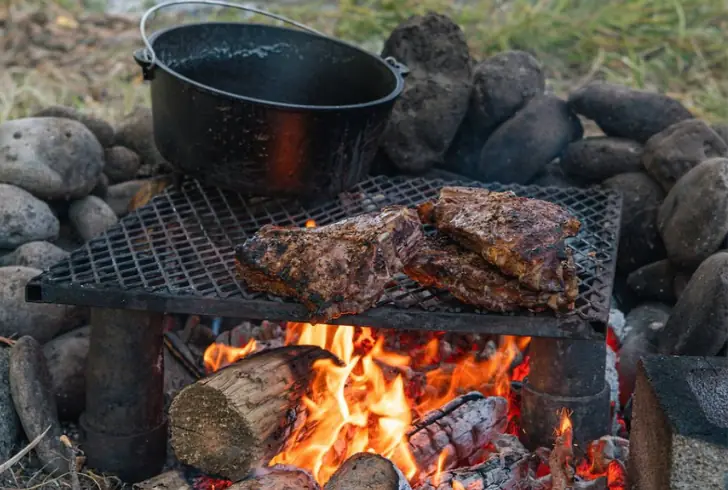
Dinner is where Steamboat Springs truly separates itself from many resort towns. Local steakhouses understand beef from a ranching perspective rather than a luxury one. Cuts are selected carefully, aged properly, and cooked with restraint.
The focus stays on technique: a crisp char on the outside, a warm medium-rare center, balanced seasoning, and rendered fat that gives each bite richness without heaviness. Meals feel grounded in Colorado’s agricultural traditions instead of steakhouse theatrics.
Lamb also appears frequently on menus thanks to nearby ranches. Several restaurants pair it with regional vegetables, herb-forward sauces, or smoky grilling methods that complement the mountain setting.
Fresh Seafood Works Surprisingly Well
Seafood may seem unexpected in northwestern Colorado, yet several Steamboat Springs restaurants regularly bring in fresh fish from coastal suppliers. Chefs treat seafood with the same care shown toward local meats.
Menus often include grilled salmon, shellfish pasta, seared tuna, oysters, and sushi prepared with clean flavors and restrained seasoning. Instead of forcing mountain-style heaviness into every plate, many kitchens keep seafood dishes lighter and balanced.
That contrast works particularly well after long days outdoors when diners want something satisfying without feeling overly rich.
Italian Food Fits the Mountain Atmosphere
Italian cuisine feels especially natural in Steamboat Springs. Handmade pasta, slow-cooked sauces, wood-fired pizzas, and creamy risottos match the comfort and warmth associated with mountain dining.
Several restaurants specialize in blistered Neapolitan-style crusts cooked in wood-fired ovens. Others focus on fresh pasta with rich ragùs, wild mushrooms, brown butter sauces, or local meats.
Risotto often becomes a measure of kitchen skill. The best versions arrive creamy and balanced rather than dense or overcooked. These details matter because Steamboat’s restaurants tend to prioritize execution over unnecessary reinvention.
Drinks Receive the Same Attention as Food
Colorado’s craft beer culture has a strong presence throughout Steamboat Springs. Local breweries produce crisp lagers for après-ski afternoons alongside dark stouts and seasonal ales designed for colder evenings.
Cocktail programs have also improved significantly in recent years. Bartenders use house-made syrups, infused spirits, fresh herbs, and regional ingredients without making drinks overly complicated.
Wine programs deserve equal attention. Many restaurants maintain carefully selected lists featuring both Colorado wines and international bottles. Servers often provide thoughtful pairing suggestions in a relaxed, approachable way rather than delivering rehearsed wine lectures.
That balance defines much of Steamboat dining culture: knowledgeable without becoming performative.
Restaurants Keep the Atmosphere Relaxed
Steamboat Springs avoids the exclusivity found in many luxury ski destinations. Diners can arrive wearing ski gear after a day on the slopes without feeling out of place. At the same time, those wanting a polished evening meal still find refined spaces with attentive service.
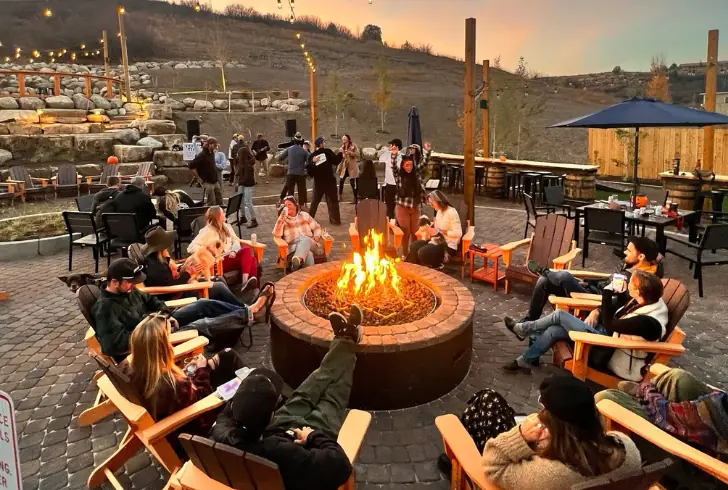
Most restaurants prioritize comfort over spectacle. Fireplaces, mountain views, heated patios, and outdoor seating create settings that feel welcoming rather than overly curated.
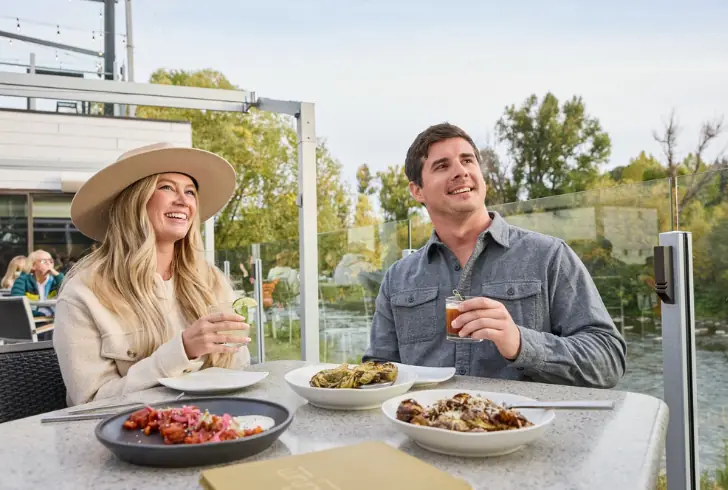
Winter dining becomes especially memorable. Heated patios allow guests to eat outdoors beneath falling snow while wrapped in blankets beside fire pits. During summer, patios open toward mountain peaks and the nearby Yampa River, where evening sunlight turns the valley shades of gold and soft pink.
Desserts in Steamboat Springs receive the same level of care as main courses. Bakeries and restaurant pastry kitchens prepare fruit tarts, rich chocolate cakes, bread puddings, and house-made ice creams using seasonal ingredients and balanced sweetness.
Fresh pastries also play a major role in daily life. Morning bakery cases fill with croissants, cinnamon rolls, pies, cookies, and breads made fresh each day. The smell of warm pastries drifting through downtown streets remains one of the town’s simplest pleasures.
Independent Restaurants Shape the Town
One detail separates Steamboat Springs from many resort communities: independent ownership dominates the food scene. Large national chains remain limited, while local operators continue to shape the town’s identity.
Restaurant owners, chefs, bakers, brewers, and café operators often choose to live in Steamboat Springs for lifestyle reasons rather than industry recognition. Many previously worked in larger cities such as New York City or San Francisco before trading urban dining culture for mountain living.
That decision influences the atmosphere. Service tends to feel genuine and personal instead of scripted. Staff members often split time between restaurant work and outdoor professions like ski instruction, mountain biking, or river guiding.
The dining culture values professionalism while still allowing personality to come through naturally.
Farmers Markets and Food Culture
Summer farmers markets strengthen the connection between restaurants and local agriculture. Visitors can meet ranchers, bakers, cheesemakers, and vegetable growers directly while learning more about the region’s food traditions.
These markets also highlight how deeply food culture ties into the Yampa Valley itself. Seasonal produce, local meats, handmade preserves, and fresh breads become part of everyday life rather than niche luxury products.
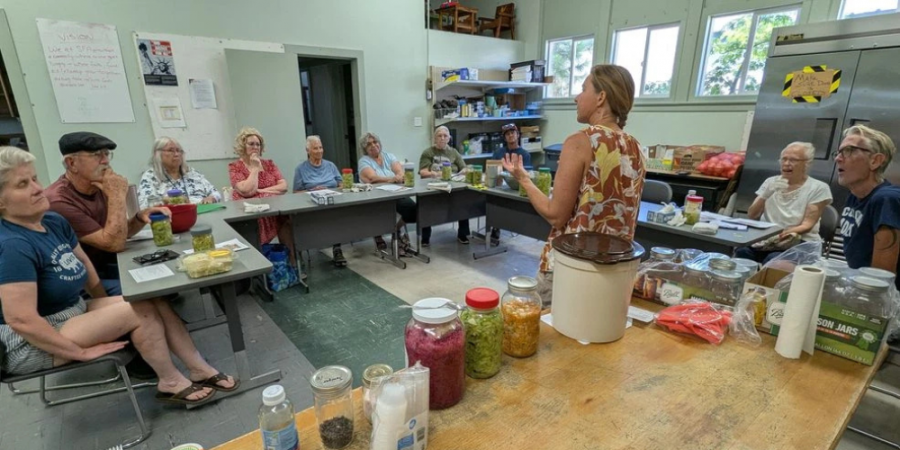
Several organizations and restaurants also host cooking classes and food events throughout the year. Wine festivals, tasting events, and music-centered gatherings showcase local culinary talent while keeping the atmosphere casual and community-focused.
Brunch and Après-Ski Continue To Grow
Weekend brunch has become increasingly popular across town. Restaurants serve huevos rancheros, French toast, breakfast scrambles, and classic Benedict variations designed for both visitors and locals.
After skiing, the après-ski scene shifts the mood entirely. Some diners choose loaded nachos and local beer, while others settle into upscale lounges for oysters, cocktails, or champagne. Despite the variety, the environment stays social rather than pretentious.
Locals and travelers mix easily, sharing stories from the slopes over plates designed for comfort and conversation.
The Food Scene Still Feels Discoverable
One reason Steamboat Springs remains appealing is that the dining culture has not become overwhelmed by reservation hype or influencer-driven trends. Exceptional meals can still be found without months of planning.
Peak ski season naturally brings busy weekends, yet most restaurants maintain accessibility. Diners still experience moments of genuine discovery rather than rigid exclusivity.
That sense of openness shapes the town’s personality. Restaurants support one another instead of competing for status. New businesses continue bringing fresh ideas, while longtime favorites maintain the consistency that built loyal local followings in the first place.
Why Steamboat Springs Stands Out
Steamboat Springs succeeds because its food culture mirrors the town itself: relaxed, grounded, and quietly confident. Quality matters here, but attention rarely feels forced. Meals focus on flavor, hospitality, and local identity rather than social media appeal.
Historic buildings house ambitious kitchens without losing their connection to community traditions. Ranch-country ingredients meet modern cooking techniques in ways that feel natural instead of trendy. Visitors can spend the morning skiing, the afternoon at a brewery, and the evening eating handmade pasta or expertly prepared steak beside a fireplace.
That balance has become increasingly rare in popular mountain destinations. While other resort towns chase visibility, Steamboat Springs continues refining a food scene built on substance, local relationships, and steady craftsmanship.