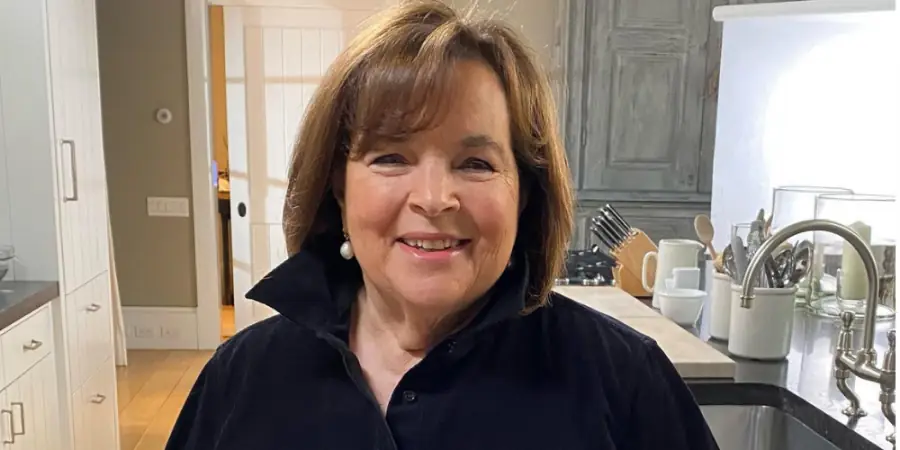
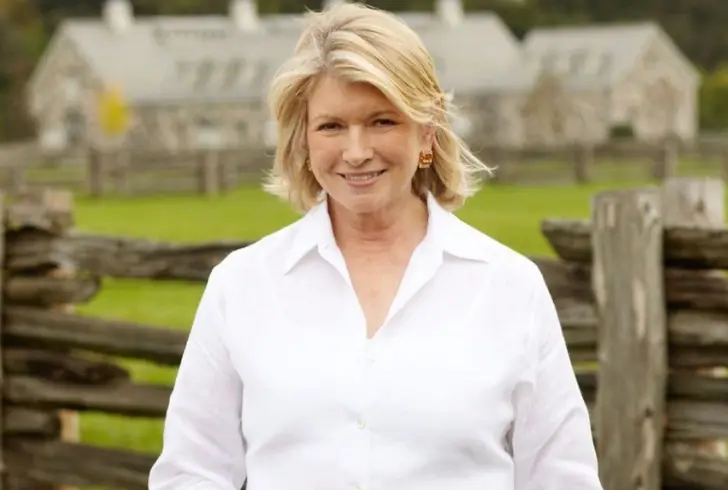
Ina Garten has offered a fresh explanation of her relationship with Martha Stewart, putting years of speculation about their friendship into perspective.
In a recent interview with The New York Times, Garten discussed Stewart with admiration while also explaining why she chose to build a different identity in the food and lifestyle world.
Garten, 78, and Stewart, 85, have known each other for decades. Their relationship began in the Hamptons during the 1990s, when both women lived there.
Over the years, Stewart played a meaningful role in Garten’s early career, including helping her secure her first book deal.
How They First Connected
After meeting in the Hamptons, Garten wrote a column for Martha Stewart Living. Stewart later brought a book publisher to Garten’s specialty food store, The Barefoot Contessa. That introduction helped Garten move toward publishing and expand her work beyond her store.
Their professional connection later became a subject of public discussion. In October 2024, Stewart appeared on “Watch What Happens Live with Andy Cohen” and said Garten stopped speaking with her after Stewart went to prison in 2004.
Stewart served five months after a conviction on charges related to conspiracy and obstruction of justice involving the sale of a stock.
Garten disputed that version of events. In a September 2024 profile published by The New Yorker, she said the two women lost touch after she moved away. Stewart’s publicist also pushed back against the idea of a feud, telling the publication that Stewart was “not bitter at all and there’s no feud.”
Garten Says There Is No Feud
Garten addressed the subject again during a live Q&A at the PEOPLE offices in December 2024. At the time, she said Stewart’s “story isn’t exactly accurate.”
She also suggested that the disagreement had gone on long enough.
“And, you know, that was 25 years ago,” Garten said with a laugh. “I think it’s time to let it go.”
Stewart had previously told PEOPLE in October 2024 that she did not expect the two to become friends again.
“No, she’s into her own thing. That’s okay,” Stewart said.
During her latest New York Times interview, Garten received another direct question about whether she and Stewart are friends. Her answer focused on the current relationship rather than old disagreements.
“I mean, we’re friendly, there’s no antipathy,” Garten said. “She moved to Bedford, and she used to live in East Hampton, so we saw each other then.”
Different Approaches to Food
Garten also discussed a comment Stewart made about never having prepared one of Garten’s recipes. The remark did not appear to upset her.
“Certainly hers to decide,” Garten said. “I didn’t know what to make of that. I’ve certainly made lots of hers.”
Their different approaches to cooking and entertaining have long been part of the public conversation. Garten said she made a deliberate effort to establish her own style instead of copying Stewart.
Early in her television career, Garten left her first show after a production team connected to Stewart tried to make her behave more like Stewart on camera.
“I kept saying: ‘You have Martha. You don’t need me to be Martha. You need me to be me,’” Garten recalled.
She explained that the production needed to reflect her personality and approach.
“Unless that film reflected who I was, it was going to look like I was trying to be Martha. And that’s not who I am.”
Why Garten Chose Simplicity
Garten has spoken about the same pressure before. During a December 2024 appearance on The Oprah Podcast with Oprah Winfrey, she encouraged people to trust their own ideas rather than imitate someone successful.
“Just trust your vision. I think the thing that works is if you’re really true to who you are. If you believe in it so fiercely, somebody out there is gonna believe in it too. It’s true,” she said.
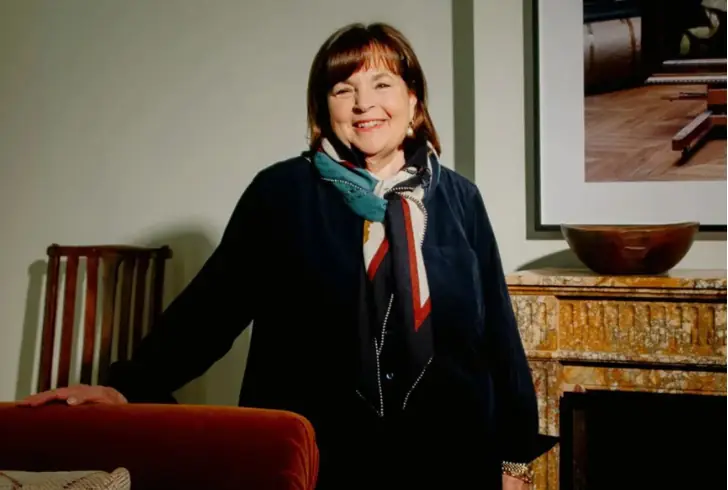
That philosophy also shaped Garten’s approach to entertaining. She said she generally prefers to do things “differently” instead of following the way everyone else does them.
Garten credited Stewart with changing how people viewed home arts. At the same time, she wanted her own style to feel less formal.
Stewart often focused on details such as setting “a beautiful table.” Garten preferred something simpler: “set a nice table, but it doesn’t have to be over the top, and make a lovely dinner and serve it.”
She believes both approaches ultimately lead to the same goal.
“I think everybody’s getting a little simpler and simpler, but at the end of the day, we all like the same thing, which is gathering people around a table,” Garten said. “I think we’ve each taken what’s in the world and made it our own.”
Garten Still Respects Stewart
When asked about the pressure to follow Stewart’s path, Garten described Stewart as “one of the models.”
“She changed how it happened. She did it brilliantly in her vision,” Garten said.
Her comments also made clear that admiration remains despite their complicated history. Referring again to The New Yorker profile, Garten said, “Can I just say I admire her enormously? I think what she created is stunning, and she did it with vision.”
The relationship between Garten and Stewart appears less focused on conflict than on two established figures following separate paths. They shared professional connections early in Garten’s career, later lost touch, and have publicly offered different accounts of why that happened.
Still, Garten’s recent comments leave little room for a current feud. Her description of the relationship as friendly, along with her repeated praise for Stewart’s work, suggests that their differences remain part of their history rather than an active dispute.