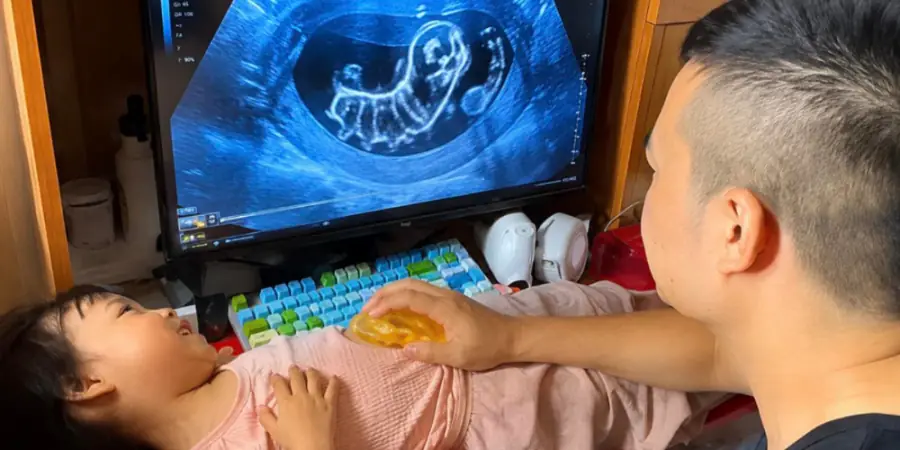
A father’s unusual attempt to convince his daughter to avoid junk food has caught widespread attention online. In a viral video, the father uses a fake ultrasound setup to show a pretend image of a “worm” inside her stomach, telling her that too many sweets and unhealthy snacks caused it to grow.
The child’s worried reaction made many viewers laugh, but the moment also raised a serious question: why do children find junk food so difficult to resist?
While the video was created as a playful parenting moment, it highlights a growing concern among health experts. Children are consuming more ultra-processed foods than ever before, and these choices can affect their health in ways that go beyond weight gain.
Junk Food Means More Than Treats
Many people think of junk food as items like burgers, pizza, candy, and fried snacks. However, health experts often use the term ultra-processed foods (UPFs) to describe a wider group of products made through industrial processing.
These foods usually contain high amounts of added sugar, unhealthy fats, refined starches, artificial flavors, emulsifiers, and preservatives. At the same time, they often provide fewer nutrients and less fiber than fresh foods.
A study published in the journal “Obesity Pillars” found that diets high in ultra-processed foods are linked with health concerns such as obesity, insulin resistance, changes in gut bacteria, and mental health challenges. Researchers noted that increasing consumption of these foods among children has become a growing nutritional concern.
The fake ultrasound in the viral video suggested that junk food creates a visible problem inside the stomach. In reality, the effects often begin in less noticeable ways, especially through changes in the gut microbiome.
How Processed Foods Affect the Body
The gut contains billions of bacteria that support digestion, immunity, and overall health. Research published in the journal “Nutrients” suggests that diets high in ultra-processed foods may reduce helpful gut bacteria, weaken the intestinal barrier, and increase low-level inflammation in the body.
The impact can also reach beyond digestion because the gut and brain communicate through the gut-brain connection. Children need nutrients such as zinc, vitamin D, magnesium, and healthy fats to support growth and brain development. Many highly processed foods contain excessive sugar but lack these important nutrients.
High sugar intake can activate the brain’s reward system, making children want similar foods again and again. Over time, frequent exposure can shape taste preferences and make naturally sweet foods like fruits seem less exciting.
Why Kids Find Junk Food So Appealing
Ultra-processed foods are often created to have strong flavors, textures, and aromas that make them enjoyable to eat. This quality is known as hyper-palatability, meaning the food is designed to strongly appeal to taste and reward systems.
A 2024 review published in “Current Obesity Reports” explained that these foods may create strong reward responses and addiction-like eating patterns for some individuals. Researchers also noted that food addiction remains an area of ongoing study, and not everyone reacts to these foods in the same way.
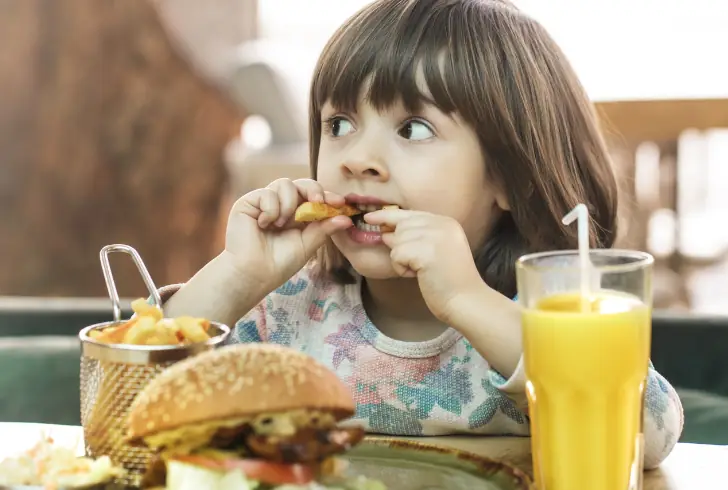
For children, the combination of bright packaging, sweet flavors, and easy availability can make these foods especially attractive. Their food choices are often influenced by what they see and what is easily accessible at home.
Ways Parents Can Encourage Healthy Choices

Healthy eating habits usually develop through regular routines rather than strict rules or fear. Parents can help children build better relationships with food by creating an environment where nutritious options are easier to choose.
Some simple approaches include:
1. Keep fewer ultra-processed snacks at home so healthier choices become more available.
2. Offer fruits, vegetables, homemade meals, and balanced snacks regularly.
3. Allow children to experience mild hunger before meals instead of immediately offering sugary snacks.
4. Encourage children to try different foods without forcing them to finish everything.
Children usually eat what is available around them. If cookies, chips, and sugary drinks are always within reach, those options may become their first choice. When fresh foods are easier to access, children gradually become more familiar with healthier options.
Parents also play an important role by setting examples. Children often copy eating habits they see at home, so regular family meals and balanced food choices can influence their preferences over time.
The fake ultrasound prank brought attention to a larger conversation about children’s eating habits. Since ultra-processed foods are made to be highly appealing, parents can support healthier choices by setting simple routines and keeping nutritious options available at home.
Daily food environments play a major role in shaping children’s preferences. The choices offered at home can influence how children view and enjoy different types of food over time.