

Food usually blends into daily life without much thought. But living abroad can change that almost overnight. Meals that once felt ordinary start to feel meaningful. Flavors that seemed easy to find suddenly become rare. Slowly, familiar dishes begin to carry emotional significance, reminding people of culture, identity, and home.
For international students and immigrants, food often becomes one of the first signs that life in a new place will feel different. Taste is deeply connected to memory, family routines, and emotional comfort, which makes those changes impossible to ignore.
When Familiar Flavors Turn Foreign
The adjustments often appear in small ways. Rice doesn’t cook quite the same. A favorite spice mix tastes slightly off. “Cha” becomes the milder version called “tea,” and recreating the rich scent of Bangladeshi cha takes patience. Even something as simple as bhaat with daal and lebu—once just another meal—can suddenly feel worth missing.
Distance sharpens awareness. Everyday dishes gain new meaning.
Farhanul Azim, a Bangladeshi student at the University of Texas at Arlington, described the shift clearly:
“I managed to cook the basics after three months of living in the US—rice and beef curry. When I invited a fellow Bangladeshi student to share the meal with me, he looked as though he was on the verge of tears. It had been many months since he’d tasted homemade food.”
A simple meal can carry months of longing.
Cooking Becomes a Lifeline

Living abroad often pushes students toward independence in the kitchen. Recipes once taken for granted now require patience, trial, and late-night calls home. Many parents guide their children step by step over the phone, correcting spice measurements and cooking times that online videos fail to replicate.
Cooking shifts from chore to connection.
Maleeha Muniyat from the University of Portsmouth shared:
“I prefer to cook Deshi meals at home. I don’t eat outside often because I think it’s overpriced. The biggest issue with Bangladeshi restaurants in my area is that they cater their spice levels to British tastes. Some things do not taste as good unless they are a bit spicy.
I have also gotten good at cooking the basic dishes like chicken curry, daal, alu bhorta, and bhaji. After many attempts, I was finally able to make daal that tasted like my mom’s. I cried while eating it.”
The emotional response shows how food carries more than taste—it carries memory.
The Search for Ingredients
Access adds another layer of difficulty. Stores that sell Bangladeshi staples are limited. Imported lentils, spices, and snacks often come at marked-up prices. A bag of chanachur that once cost very little at home may cost three times as much abroad.
Halal meat presents another challenge. While easily available in Bangladesh, it often requires extra effort overseas. Students spend hours locating specialty stores or pay higher prices online. A proper curry depends not just on spices but on sourcing the right meat.
What once felt abundant begins to feel exclusive.
Ramadan Away From Home
Religious observance intensifies the gap. Ramadan abroad requires planning around academic or work schedules that do not pause for iftar. Preparing meals while fasting and managing daily responsibilities can feel exhausting.
In many cities, mosques help ease the strain. In the United Kingdom, the East London Mosque and the London Muslim Centre provide free iftar meals to students, refugees, and community members. On some days, more than 800 people gather to break their fast. Outside Ramadan, food bank programs continue to support vulnerable families.
Community meals restore a sense of togetherness that distance often interrupts.
Meeting Deshi Food Cravings Abroad
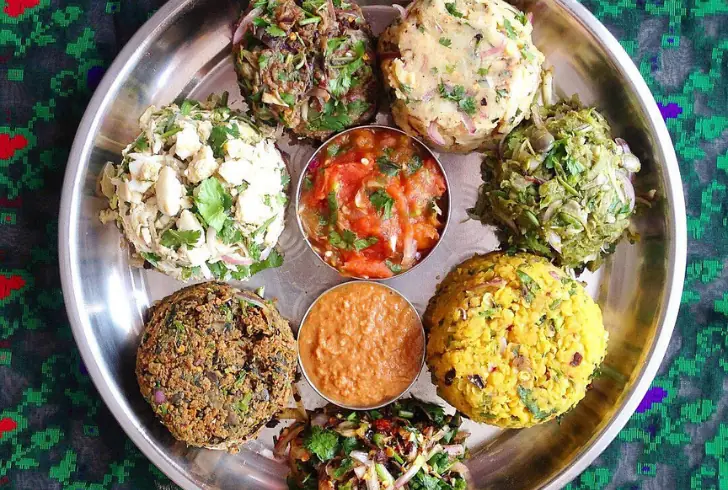
Cravings often lead to gatherings. Invitations to dawats become more meaningful overseas.
Riaz Mahboob, a graduate of the University of Texas at Austin, explained:
“One Eid, I accepted an invitation to a family friend’s house, and it turned out to be one of the best decisions I ever made. The biryani, mutton, eggplant, and beef they served reminded me of home. After that, I never skipped a dawat. And the best part was when my hosts kindly packed some of the leftovers for me.”
Food shared in small apartments abroad can recreate the warmth of family tables.
Nishat Jahan from the University of Waterloo described a similar experience:
“Living in Canada as a Bangladeshi student, my strongest feeling of homesickness is tied to food. Some evenings, I crave the rich spice of biryani or the comfort of warm khichuri as we have back in Dhaka. I visit local desi restaurants or cook with friends, filling the kitchen with familiar aromas, but it’s never quite the same. However, in every bite, I feel closer to home, like Bangladesh is never too far away.”
Even when flavors differ slightly, the act of cooking narrows the distance.
The Underrepresentation of Bangladeshi Cuisine
Bangladeshi food often sits under broad labels such as “Indian” or “South Asian.” As a result, its depth gets flattened into simplified versions of biryani, samosas, and generic “curry.” Regional dishes, seasonal pithas, freshwater fish preparations, and mustard-based recipes rarely appear on mainstream Western menus.
Tasnuva Tabassum, a program manager at Google and creator of BanglaCook_US, reflected on this reality while living in California:
“After 16 years living outside of Bangladesh, I’ve realised that the dishes I used to see as ‘ordinary’ are actually treasures. My memory will randomly trigger a craving for something simple—like lal shaak or lau—and suddenly I’m on a total scavenger hunt for replacement ingredients. It’s funny how a stir-fried spinach dish from my childhood can send me across three different grocery stores just to get the flavour exactly right.”
To introduce Bangladeshi traditions to her local community, she began hosting tasting menus at home. Each dish came with its story, placing cultural identity at the center rather than at the margins.
Social media also plays a role. Content creators such as Spice Bangla and Spicy Bengali Bites present recipes in their authentic form, allowing global audiences to see Bangladeshi food beyond rebranded labels.
Bringing Bengali Cuisine to Europe
In Stockholm, chef Nahid Hassan built a restaurant chain called Shanti to present Bangladeshi cuisine on its own terms. He began with simple, authentic dishes.
“The Swedes accept our cuisine with enthusiasm—even the spice,” Hassan said. “The first thing I introduced my guests to was our authentic daal, then fuchka and chotpoti, because I miss the street food of my home country. I also introduced Halim. These are simple foods, but my guests loved them.”
Hassan later opened “Gossip,” designed to recreate the atmosphere of a Bangladeshi adda. Guests hear recordings of Dhaka traffic—rickshaw bells, car horns, street chatter—while walking through the restaurant. For Bangladeshis, the sounds feel familiar. For others, they offer a new sensory experience tied directly to the food.
His work inspired more Bangladeshi restaurateurs in Stockholm, expanding visibility for the cuisine.
Food Across Generations

Among first-generation immigrants, recipes are often treated like inherited knowledge. Instructions rarely appear on paper. Instead, they’re passed down through memory and habit. Turmeric is added by instinct, and lentils simmer for a length of time learned through years of cooking.
Younger cooks face a different set of circumstances. Certain ingredients are difficult to find, which leads to substitutions, packaged spice pastes, or creative fusion adjustments. Convenience and authenticity sometimes pull in different directions. Even so, learning these dishes again often becomes a way of reconnecting with cultural roots.
Food, in this way, links generations just as strongly as it connects people across borders.
Regional Diversity Beyond Dhaka
Bangladeshi cuisine is far more varied than what appears on many restaurant menus. Beyond Dhaka, each region offers its own specialties—different pithas depending on the season, unique freshwater fish dishes, slow-cooked meats, and sweets shaped by local harvests.
Outside the country, those distinctions often collapse into broad categories labeled simply as “Asian.” Living abroad makes that simplification more obvious.
Distance changes the way food is experienced. Dishes that once felt ordinary become meaningful reminders of home. Cooking turns into more than a daily task—it becomes a form of preservation.
Eventually, meals begin to represent more than nourishment. They carry memories, traditions, and a sense of belonging.