
Living close to other people comes with shared spaces, shared routines, and sometimes shared frustrations. Across the United States, millions of people live in apartments, townhomes, condos, or neighborhoods where a neighbor’s daily habits can quickly become a source of stress.
Loud music, blocked driveways, barking dogs, overflowing trash, or children tossing toys into nearby yards are common complaints. While these issues may seem small at first, they can affect comfort, privacy, and peace of mind when they happen repeatedly.
Many people hesitate to bring up these concerns because they worry about creating tension with someone they may see every day. As a result, some choose to leave a note instead of starting a conversation.
Although this approach may feel easier, etiquette experts say it is rarely the best first step unless it is handled with care and respect.
Why Neighbor Conflicts Feel So Difficult
Addressing a neighbor about an irritating habit is rarely pleasant. According to lifestyle and etiquette expert Elaine Swann, these conversations often feel awkward because they usually begin with criticism rather than friendly interaction. Unlike greeting someone with congratulations or well wishes, complaints naturally create discomfort.
Swann explains that neighbor relationships become much easier when people already know each other beyond occasional problems. Even a simple greeting or brief conversation over time can build familiarity, making future discussions feel less confrontational.
Modern lifestyles have also reduced everyday interactions. Doorbell cameras, grocery delivery services, package notifications, and neighborhood message boards allow people to live independently without speaking to those next door.
As personal connections disappear, leaving an anonymous note often feels like the simplest solution, even though it may not solve the problem.
Why a Neighbor Note Can Be Risky
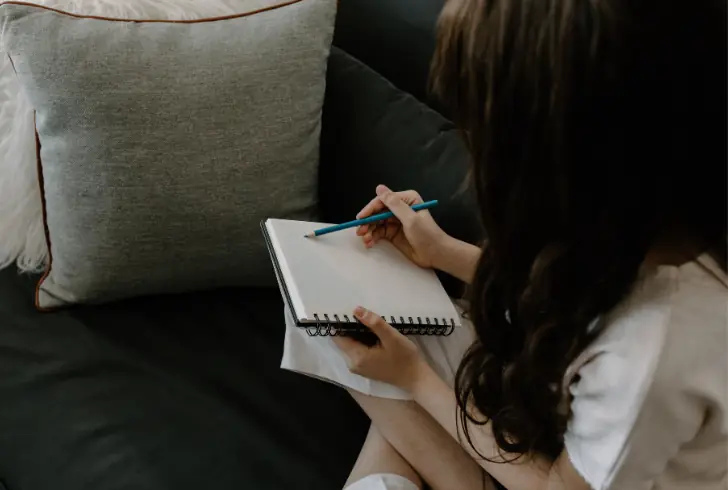
A written note may seem like a low-pressure option, but it comes with uncertainty. Without tone of voice or facial expressions, even polite wording can sound harsh or judgmental.
A neighbor who accepts the feedback may correct the issue immediately. On the other hand, someone who feels embarrassed or attacked may ignore the request or become defensive. That possibility often leaves residents wondering whether the complaint is worth the added tension.
Many disputes involve issues such as:
– Loud music or television
– Parking in the wrong space
– Uncollected pet waste
– Early morning household noise
– Smoking in shared buildings
– Repeated disturbances in common areas
Although these problems may appear minor, constant disruptions can significantly affect everyday life.
When a Serious Problem Requires Action
Some neighbor issues go beyond inconvenience. One example involved a resident identified as Sam, whose apartment repeatedly flooded with sewage after another tenant was suspected of flushing wipes down the plumbing system.
Maintenance staff reportedly believed improper flushing caused the recurring backups, which began with a gurgling toilet before sewage overflowed through the bathtub and floor drain beneath the dishwasher. Management supplied a Shop-Vac to help remove the contaminated water while investigating the source.
Concerned about repeated damage, including nearly $15,000 worth of antiques, artwork, and collectibles, Sam posted illustrated notices throughout the building explaining what should never be flushed.
“My hope is that by mentioning management’s looking into who it is—they are looking into who is responsible and will hold them accountable—that it would scare them into just stopping,” Sam told Vox.
The response was disappointing. The notices were later found ripped apart, while the flooding continued. The experience highlights an important reality: even carefully prepared notes cannot guarantee cooperation.
How to Write a Neighbor Note Respectfully
If a written message becomes necessary, etiquette professionals recommend treating it as the beginning of a conversation rather than a final warning.
A thoughtful note should:
– Assume the behavior is unintentional.
– Describe the issue clearly without making accusations.
– Explain how the situation affects nearby residents.
– Offer a polite way to communicate.
– Include contact information whenever appropriate.
Elaine Swann recommends signing the note with a name and phone number. This small detail makes the message feel more personal and gives the recipient an opportunity to explain or ask questions instead of feeling judged.
Why Empathy Makes a Difference
Etiquette experts stress that people are often unaware their actions are disturbing others. Loud footsteps, bright outdoor lights, early vacuuming, or occupied parking spaces may never have crossed their minds as potential problems.
Jacqueline Whitmore, an etiquette coach and consultant, believes every complaint should begin with patience rather than assumptions.
“From an etiquette standpoint, you don’t always know what this person is going through,” Whitmore said. She also believes neighbors deserve the benefit of the doubt until their actions prove otherwise.
Approaching the situation with respect encourages cooperation instead of conflict.
What Receiving a Neighbor Note Feels Like
Neighbor notes can also have a lasting impact on the person receiving them.
Harry experienced this after receiving an anonymous complaint claiming he walked too loudly and sounded as though he was stomping or dancing inside his apartment. Although he admitted to being a heel-first walker, he believed the complaint exaggerated the noise because the apartment was carpeted and he lived alone.
“The note suggested that I was being too loud and that I was stomping around or dancing,” Harry told Vox. “It made accusations that were not true, but indicated that I was louder than, I guess, realized.”
Even though he questioned the complaint, the experience changed his daily routine. He became increasingly aware of every step, trying to move quietly to avoid upsetting his downstairs neighbor.
Years later, Harry gained a different perspective after installing a motion-activated backyard light at his home. Friends later revealed that nearby neighbors found the bright light disruptive.
“I remember wishing someone had told me sooner so I didn’t intrude on their environment,” Harry explained.
After learning about the issue, the light’s sensitivity was adjusted, and the neighbors eventually developed a friendly texting relationship.
Building Better Relationships With Neighbors
A complaint does not have to define a relationship. Both Elaine Swann and Jacqueline Whitmore believe respectful communication creates better outcomes than anonymous criticism.
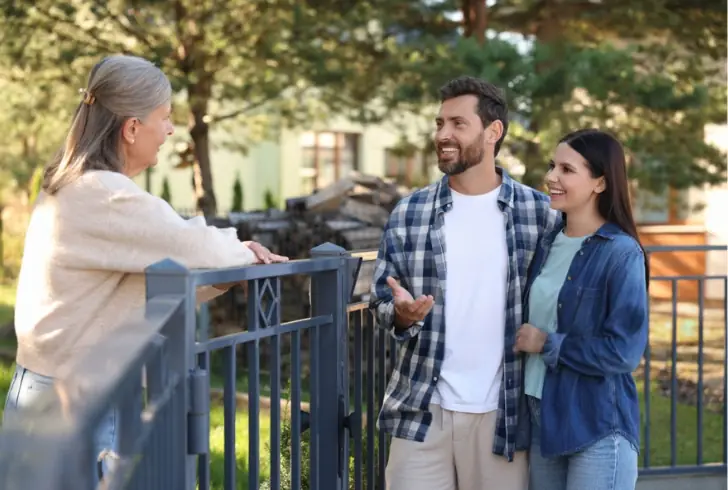
Swann recalled resolving a parking concern by starting a conversation instead of making demands. Rather than assuming bad intentions, the discussion focused on coordinating parking when spaces were needed. The simple exchange improved cooperation without creating resentment.
Neighbors often become valuable sources of support during emergencies, package deliveries, property concerns, or unexpected situations. Viewing nearby residents as members of the same community rather than opponents encourages healthier communication and fewer long-term conflicts.
Every neighborhood experiences occasional disagreements, but respectful communication often prevents small frustrations from becoming lasting disputes. Whether the issue involves noise, parking, pets, or shared spaces, approaching the conversation with courtesy, empathy, and clear communication gives everyone a better chance of finding a practical solution.
A thoughtful discussion, supported by patience and mutual respect, is far more likely to improve everyday living than an anonymous complaint delivered without context.