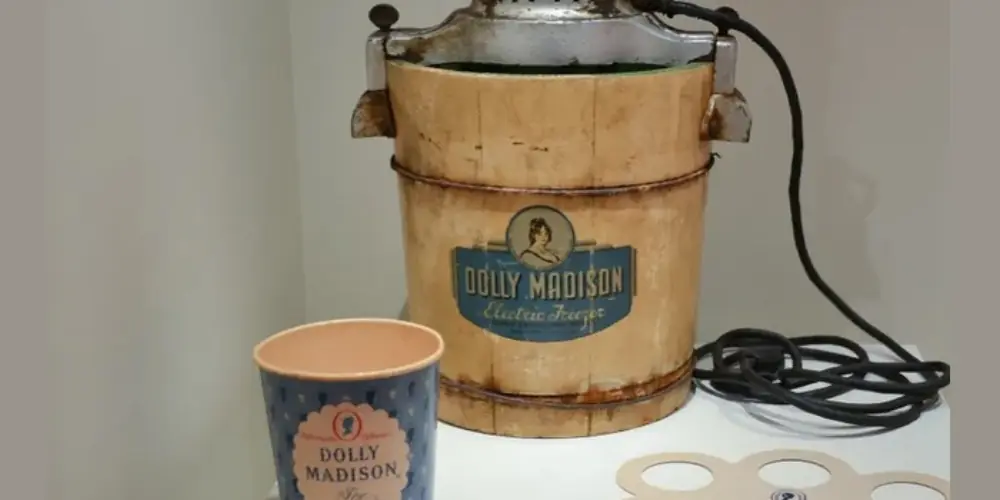
American storytelling has long mixed politics, food, and social chatter into lasting myths. One of the more unusual claims tied to early White House history involves Dolley Madison and oyster ice cream. The tale suggests she served this seafood-based frozen dish during her time in the White House while James Madison was in office.
The idea has circulated widely, blending fact with speculation, yet direct proof of it being served at official gatherings remains absent from historical records. The rumor endures because Dolley Madison was known for her fondness for ice cream, making the leap to unusual flavors feel believable.
Still, the story deserves a closer look before it becomes accepted history.
What Oyster Ice Cream Actually Was
Oyster ice cream was a real preparation in early American cookery, though it had little in common with modern dessert flavors. It was not sweet. Instead, it resembled a rich, savory cream dish with a seafood base.
The preparation involved simmering oysters in a warm, spiced cream mixture. After the oysters were strained out, the liquid was cooled and churned until it reached a thick consistency similar to ice cream. Some variations included egg yolks and herbs, creating a custard-like texture rather than a sugary treat.
This version of “ice cream” was served frozen but functioned more like a chilled savory custard or soup.
Recipe Origins and Social Circles
The strongest historical link to oyster ice cream comes from Mary Randolph, author of the cookbook “The Virginia House-Wife”. Randolph moved in the same social circle as Dolley Madison and frequently visited Montpelier, the Madison family estate. In 1825, Randolph even sent James Madison the second edition of her cookbook.
Despite this connection, no surviving menus, letters, or newspaper accounts confirm that Dolley Madison ever prepared or served oyster ice cream. The association appears to stem from proximity rather than documented evidence.
Still, the recipe’s existence in Randolph’s work gives it legitimacy as part of early 19th-century American cuisine.
Modern Curiosity Around the Dish
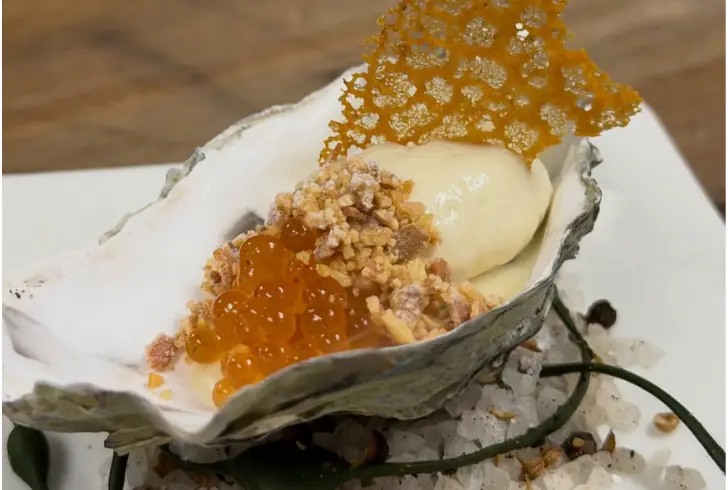
Interest in oyster ice cream has resurfaced in contemporary culinary circles. Chef José Andrés brought attention back to the dish at his now-closed America Eats Tavern in Washington, D.C., a collaboration connected with the National Archives.
Andrés described a striking way to serve it, suggesting it be topped with “a single raw oyster on the half-shell,” a detail that captured public attention and reinforced its unusual identity in food history discussions.
The link between Dolley Madison and oyster ice cream sits in a space where history and culinary folklore overlap. While the dish itself is real and documented through early cookbooks, its connection to the White House remains unverified.
The story continues to circulate because it reflects how food traditions, social relationships, and political history often blend into narratives that feel plausible, even when evidence is thin.