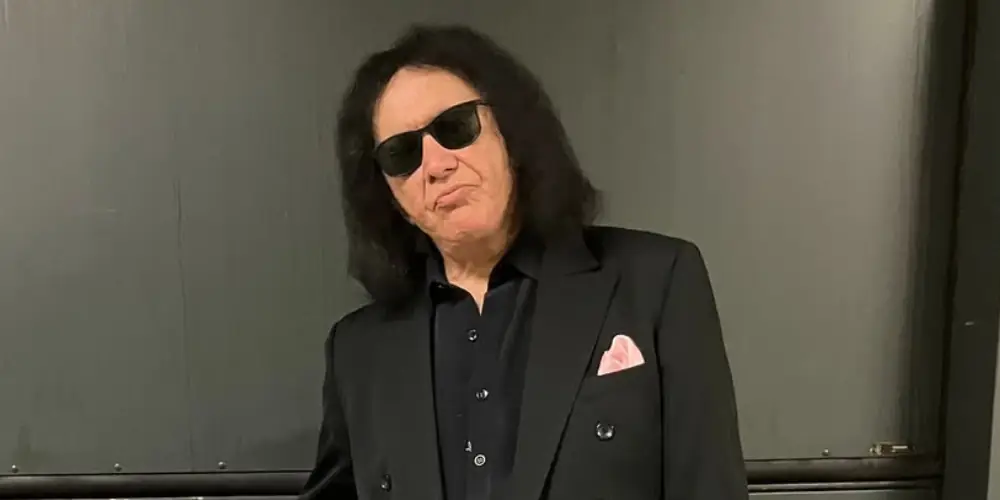
KISS icon Gene Simmons brought both humor and hard truth to Capitol Hill during a Senate hearing on fair compensation for recording artists. Invited to testify before the Senate Judiciary Subcommittee on Intellectual Property, the 76-year-old rocker turned the session into a mix of insight, entertainment, and heartfelt advocacy. His exchange with Democratic Senator Alex Padilla of California instantly became the hearing’s highlight.
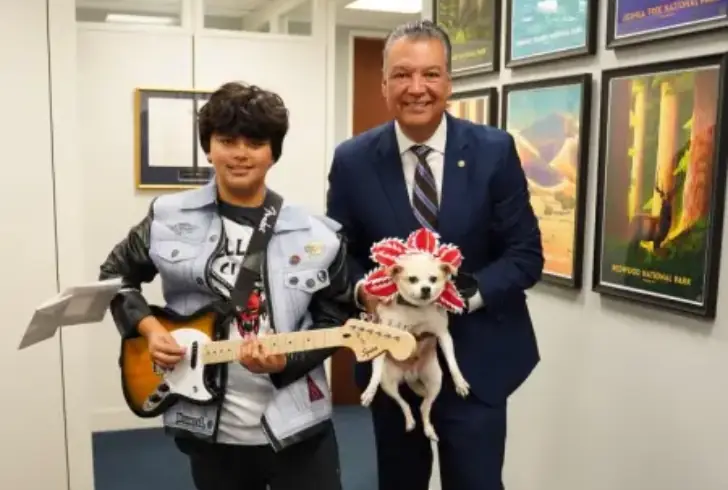
When Sen. Padilla shared that his ten-year-old son Diego had fallen in love with the electric guitar, Simmons didn’t miss a beat. Asked for advice, the rock legend leaned forward, cracked a grin, and replied, “Have a fallback position.” The room burst into laughter, but behind the humor was a serious message.
Honest Words From a Music Veteran
Simmons wasn’t joking when he followed up with context. He explained that the music industry has changed dramatically since the rise of downloading and file-sharing. According to him, artists now struggle to earn fair pay, often receiving only tiny fractions of what their work truly deserves. His words reflected decades of experience and firsthand knowledge of how technology reshaped the music business.
He shared a glimpse into his early years, noting how his disciplined lifestyle and relentless work ethic made his career possible. Before KISS became a global name, Simmons saved money by working as a teacher, in real estate, and even as an assistant for a Puerto Rican government official.
“I was making $23,000 a year,” he said, emphasizing that careful saving helped him fund KISS independently, without managers or major financial backers.
The Music Industry’s Reality Check
The conversation then turned to young Diego’s music taste. When Sen. Padilla proudly replied, “Heavy metal,” Simmons smiled. It was a fitting moment, a rock legend giving guidance to a new generation of aspiring musicians.
But beneath the humor and warmth, Simmons was there for a serious purpose. The hearing focused on the American Music Fairness Act, a proposed law that would ensure radio broadcasters pay artists and music creators whenever their songs play on AM or FM stations. While streaming platforms already provide royalties, traditional radio has long been exempt from paying performers.
Senators Debate Fair Pay for Artists
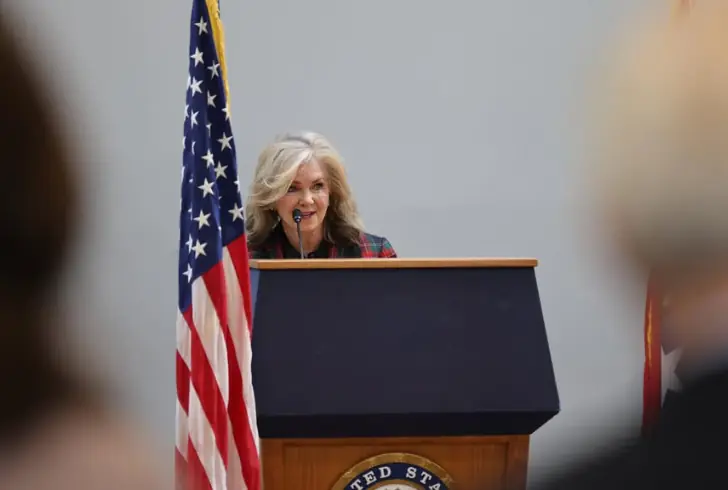
Senator Marsha Blackburn of Tennessee took the lead in questioning industry executives about their opposition to the bill. Addressing Henry Hinton, president and CEO of Inner Banks Media, she firmly stated, “This is an issue of fairness. Creators must be compensated because it’s their right.”
Her remarks struck a chord with everyone in the room. She reminded Hinton that radio depends on both public licenses and the music it plays. “You wouldn’t be in business without access to spectrum or artists to fill your airwaves,” she declared.
Hinton, representing the National Association of Broadcasters, acknowledged her concerns and even expressed willingness to meet with music creators in Nashville to discuss potential solutions. Still, the divide between radio networks and recording artists remained clear.
Simmons’ Unshakable Belief in Fairness
Throughout the hearing, Simmons impressed senators across party lines with his confidence and sincerity. With trademark charisma, he insisted the bill would pass, calling it “the will of the people.” He cited a poll showing that 70% of Americans supported fixing what he called “an injustice.”
His passion extended beyond personal experience. Born in Israel to Hungarian-Jewish parents who survived the Holocaust, Simmons reminded lawmakers that America gave him, a first-generation immigrant, the opportunity to succeed. Now, he said, it was his responsibility to advocate for new artists trying to build their own dreams in a tougher industry.
Defending America’s Soundtrack
Simmons made a heartfelt argument that American artists have shaped the global soundtrack. He named legends like Frank Sinatra, Elvis Presley, Whitney Houston, Celine Dion, and George Strait, who recently shared Kennedy Center Honors with him. He described how Strait’s hit “Amarillo” played countless times on radio stations without the singer earning a single cent from those broadcasts. “He looked at me and said, ‘What do you mean?’” Simmons recalled.
He turned to his fellow witness and challenged him directly. “How do you defend that, Mr. Hinton?” Simmons asked. His tone was firm but respectful. “We all live in America. We can disagree, but this system is wrong.”
A Call for Change and Respect
The KISS frontman emphasized that even when artists reach the top, they often see little return for their work. “When you work hard and you get to the top, what do you get? Nothing. That’s not the American way,” he stated. His words echoed through the chamber, resonating with both artists and lawmakers who recognized the truth behind his frustration.
He went further, drawing a striking comparison that caught everyone’s attention. “While there are conflicts all around the world, Elvis Presley and Frank Sinatra are America’s representatives. And when people realize how we treat our own legends , it’s shameful.” He explained that even greats like Bing Crosby and Presley received nothing for endless radio performances that helped define American culture.
As the hearing wrapped up, Simmons looked directly at the senators, his voice steady and persuasive. “Let’s do the right thing,” he said. “The president will sign this once all of you work together to get it done. God bless America.” His mix of humor, patriotism, and conviction left a lasting impression on everyone in attendance.