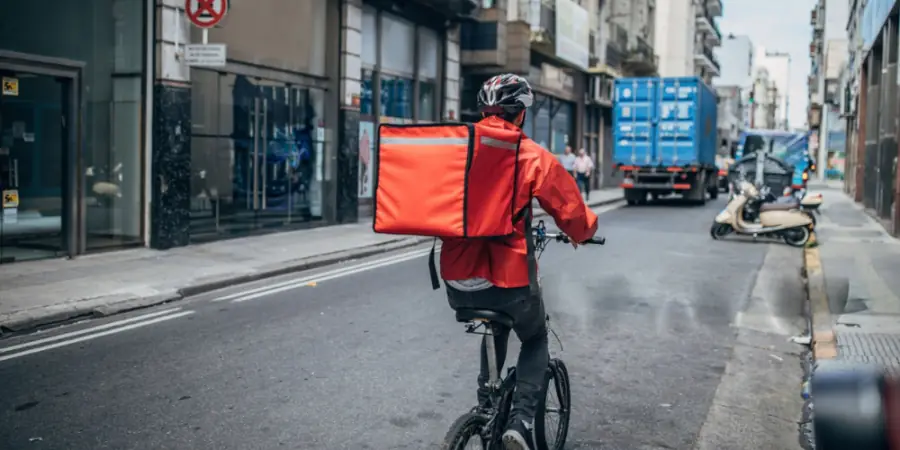
Food delivery apps sell a simple promise: flexible hours, quick payouts, and control over earnings. For many Americans, these platforms act as a financial lifeline, whether as a side hustle or a full-time job. Recent claims from a former developer suggest that behind the convenience sits a system designed to reward some drivers while quietly shortchanging others.
According to the developer, one major food delivery company relied on internal algorithms to adjust driver pay based on how badly someone appeared to need the money. The allegation points to a system that does not reward effort but instead exploits consistency and financial pressure.
Inside the Alleged “Desperation Score” System
The developer shared details on Reddit, describing what they witnessed while working on the platform’s backend. The post opened with a blunt message to drivers:
“You guys always suspect the algorithms are rigged against you, but the reality is actually so much more depressing than the conspiracy theories.”
At the center of the claims is a hidden metric referred to as a “desperation score.” This score was reportedly calculated by tracking which orders a driver accepted over time.
Drivers who routinely accepted low-paying orders or rarely declined requests were labeled as “High Desperation.” Once flagged, those drivers allegedly stopped receiving higher-paying deliveries.
The reasoning, according to the developer, was purely financial:
“Why pay this guy $15 for a run when we know he’s desperate enough to do it for $6?”
Meanwhile, drivers who declined orders more often were treated differently. Higher-paying orders and better tips were saved for what the developer described as “casual” drivers. The goal, they claimed, was to keep new or part-time workers engaged while squeezing maximum labor from full-time drivers.
Pay Systems That Prioritize Optics Over Fairness
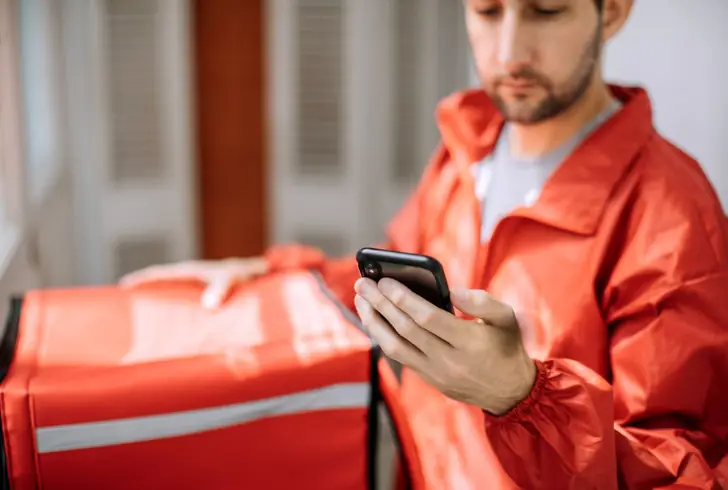
The developer explained that the platform focused on perception rather than equal treatment. High-paying orders were used as incentives, not rewards. Full-time drivers, who relied on the income the most, allegedly received fewer opportunities to earn more.
This structure, if accurate, flips the usual idea of performance-based pay. Harder work and reliability did not lead to better outcomes. Instead, financial need became a disadvantage.
A related discussion has surfaced across social platforms, including a widely shared post titled “DoorDash Driver Reveals His Take-Home Pay After Accepting Every Order For 12 Hours Straight,” which echoed similar concerns about diminishing returns.
Claims Extend Beyond Driver Pay
The developer’s accusations went beyond order payouts. Several company practices were described as intentionally misleading.
One example involved “Priority Delivery.” According to the post, this option did not speed up deliveries at all. Instead, standard orders were slowed down during testing. No improvements were made to prioritize service itself.
The results impressed management.
“We generated millions in pure profit just by making the standard service worse, not by making the premium service better,” the developer wrote.
Another claim centered on a small “Benefit Fee” added to customer orders. While customers believed the fee supported driver benefits, the developer stated it was directed toward a legal fund used to fight driver union efforts.
A Developer Breaks Silence
After months of watching these systems roll out, the developer chose to speak publicly. They admitted violating a non-disclosure agreement to share the information.
“I put in my two weeks yesterday, and honestly, I hope they sue me,” the post read. “I can’t sleep at night knowing I helped build this machine.”
Shortly after gaining traction, the Reddit post was removed. The developer never named the company directly.
DoorDash Responds and Denies Involvement

As speculation spread, DoorDash addressed the situation publicly. CEO Tony Xu stated that the claims did not reflect DoorDash’s practices.
“This is not DoorDash, and I would fire anyone who promoted or tolerated the kind of culture described in this Reddit post,” Xu wrote on social media.
He added, “We’re not perfect by any stretch of the imagination, but we work every day to make our platform better for everyone who comes to it. What’s described here is appalling, and if true, whoever is operating in this manner should be ashamed.”
DoorDash representatives confirmed the developer was not affiliated with their organization.
Delivery Driving Is No Longer Just a Side Gig
Delivery work is becoming a bigger part of the U.S. economy, and interest in these jobs is booming. Spoke research shows applications for delivery driver positions have jumped nearly fivefold since 2023.
For many people, the money covers rent, groceries, and family needs. Even though these roles are often called “gig work,” for a lot of drivers, it’s effectively a full-time job.
Most drivers, however, are labeled independent contractors. That classification comes with fewer benefits, less protection, and limited wage transparency.
These drivers are the backbone of a system millions rely on every day. Their labor keeps homes stocked and businesses moving. Concerns about hidden scoring systems and manipulated payouts cast doubt on fairness and ethics in app-based work.
As the sector grows, clear pay structures and honest treatment become essential. Drivers deserve compensation that matches the effort they put in—not penalties hidden in algorithms.