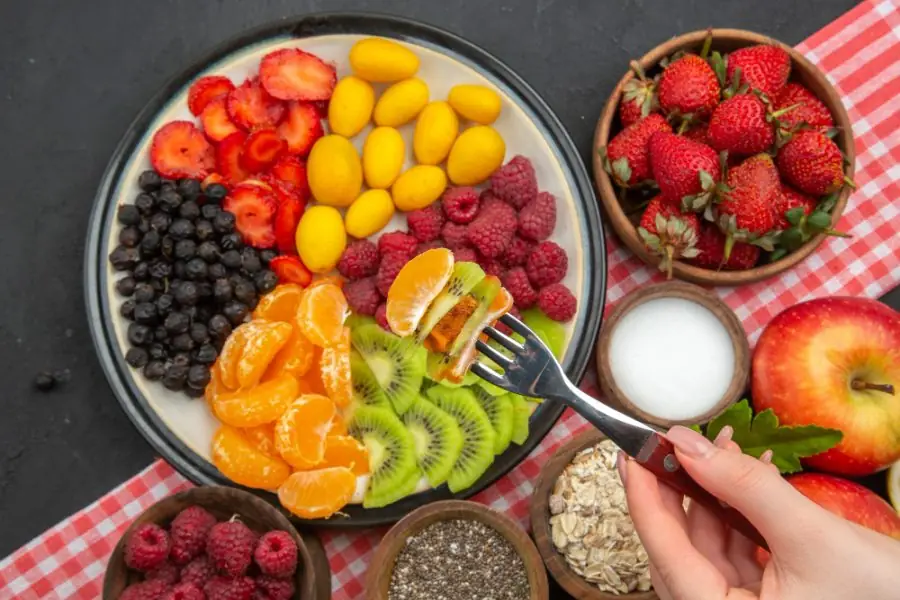
Southern California has always shaped food culture in the United States, but the latest shift feels different. Instead of cutting carbs or chasing extremes, people are adding something back in. That something is fiber, and the trend now has a name that sticks, Fibermaxxing.
This movement is not about strict rules or cutting out foods you enjoy. It focuses on building meals that deliver more nutrition with every bite. It feels simple, but it lands at the center of a bigger change in how people think about food.
Why ‘Fibermaxxing’ Is Becoming so Popular
Data from Grubhub’s 2025 Delivered Report shows that Americans are now chasing maximum nutritional value, and fiber has taken the spotlight.
Southern California, especially Los Angeles, has become the testing ground for this shift. Orders packed with beans, grains, and vegetables are rising fast. The now-famous dense bean salad has turned into a go-to lunch, not because it is trendy, but because it works and keeps people full.
Social media helped push Fibermaxxing into the spotlight. TikTok creators turned simple bowls of chickpeas, lentils, and greens into something colorful and exciting. Millions of views later, the idea stuck because it looked good, felt doable, and delivered real results.
The Science That Backs It Up
Fibermaxxing is not just hype, and that is a big reason it has staying power. Nutrition experts have pushed fiber for years, but now people are finally paying attention. Adults need around 25 to 38 grams of fiber daily, yet most fall far short of that target.
Research shows that about 95 percent of Americans do not get enough fiber. That gap has serious effects on long-term health. It impacts digestion, blood sugar, and even heart health, which makes this trend more important than it first appears.
Fiber does more than keep digestion moving smoothly. It helps lower cholesterol levels and keeps blood sugar stable after meals. That steady energy makes a real difference in how people feel throughout the day.
There is also a strong connection between fiber and gut health. Fiber feeds beneficial bacteria in the gut, which support digestion, immunity, and even mood. Scientists continue to study this link, but the early findings already point to wide benefits.
The rise of GLP-1 medications has added another layer to this conversation. People using these treatments often need better digestion support, and fiber plays a key role. It helps food move properly through the system and improves nutrient absorption.
How Southern California Is Leading the Trend
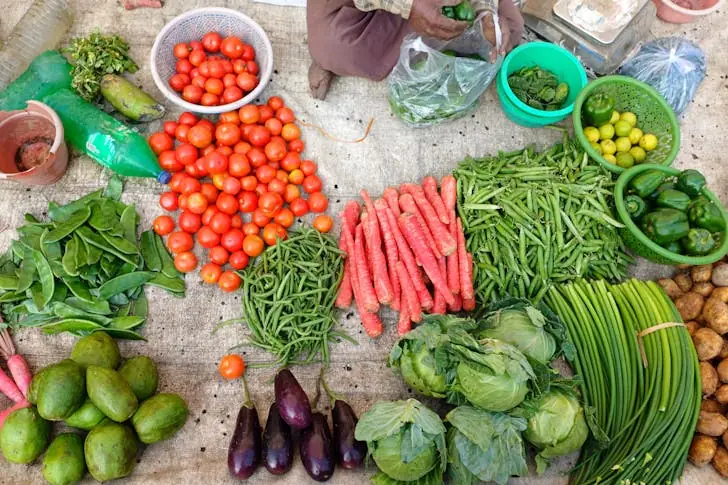
You can see the shift in everyday meals across the region. Bowls filled with black beans, roasted vegetables, quinoa, and seeds have become common. These meals are filling, colorful, and easy to customize, which keeps people coming back.
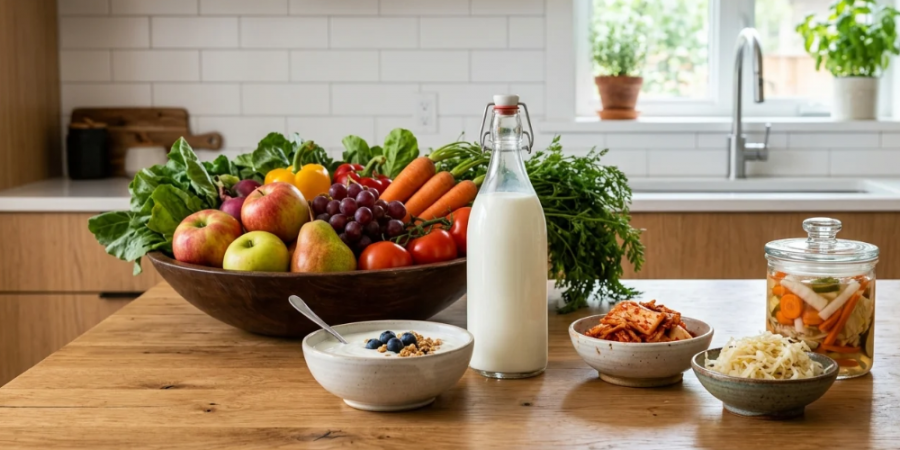
The appeal also comes from how practical Fibermaxxing feels. You do not need expensive supplements or complex plans. You can build a high-fiber meal from simple foods like oats, berries, lentils, and nuts.
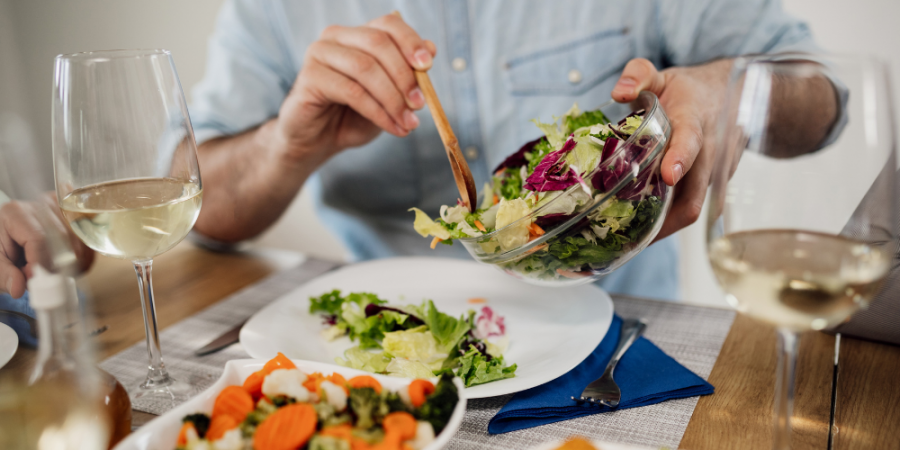
This simplicity has helped the trend move beyond fitness circles. Busy professionals, students, and families are all adopting it in small ways. Adding beans to a salad or choosing whole grains over refined ones feels manageable and realistic.
Restaurants have noticed this shift and are adjusting quickly. Menus now include more plant-based options that highlight fiber-rich ingredients. This change reflects real demand, not just a passing interest.