

A healthy diet may do more than support the body as people age. New research suggests that eating patterns focused on fruits, vegetables, fish, whole grains, nuts, and olive oil may also help protect emotional well-being among older adults.
A study of adults in England found that those who followed a Mediterranean-style diet reported better psychological health, even during the difficult months of the COVID-19 pandemic.
Researchers examined the eating habits and mental well-being of more than 3,000 adults between the ages of 50 and 90. The study explored whether daily food choices were connected to positive mental traits, including life satisfaction, independence, sense of purpose, and the ability to manage daily activities.
Mediterranean Diet’s Role in Well-Being
Each participant received a score based on how closely their food choices matched a traditional Mediterranean diet. People who followed this eating pattern more closely showed stronger levels of overall psychological well-being compared with those who had diets with fewer Mediterranean-style foods.
The researchers considered other factors that can influence mental health, including:
1. Income levels
2. Education background
3. Physical activity
4. Smoking habits
5. General health conditions
After accounting for these factors, the connection between the Mediterranean diet and improved well-being remained. Researchers also found that the results were not simply related to eating fewer or more calories. Instead, the types of foods included in the diet appeared to play an important role.
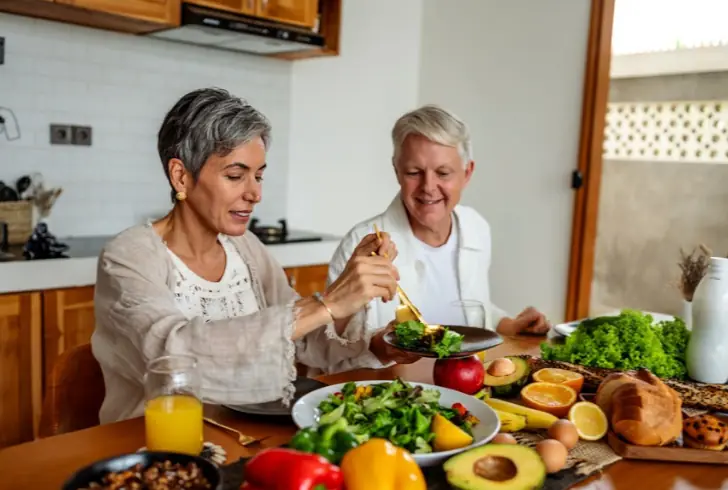
The study followed participants over several years, allowing researchers to observe changes in mental health during the early stages of the pandemic. Although emotional well-being declined among many people during lockdown periods, older adults who followed a Mediterranean diet experienced a smaller decline in happiness and overall psychological health.
Why Food Choices May Affect Brain Health
Experts believe the Mediterranean diet may support mental health because it provides nutrients that help the brain and body function properly. The eating pattern includes foods naturally rich in omega-3 fatty acids, antioxidants, fiber, and plant-based compounds.
Omega-3 fatty acids found in fish may help manage inflammation, while polyphenols in extra-virgin olive oil and other plant foods provide antioxidant benefits. These nutrients may also support a healthier gut microbiome, which plays a role in producing chemicals connected to mood regulation.
Kim Kulp, a registered dietitian nutritionist and owner of Gut Health Connection in the San Francisco Bay Area, explained that the study matches findings seen in other nutrition research.
“This study shows what we’ve been seeing in other research,” Kulp told Fox News Digital.
She added that the Mediterranean diet provides a wide variety of plant foods, which can increase nutrient intake, support beneficial gut bacteria, and provide compounds that may reduce inflammation.
According to Kulp, eating more fruits, vegetables, whole grains, nuts, seeds, and legumes can create a strong combination of nutrients that supports overall health as people age.
Study Limitations That Researchers Noted
While the findings are encouraging, researchers pointed out several limitations. The study depended on participants reporting their own food habits, which may not always provide completely accurate details.
The dietary information came from only two days of food records, and the psychological well-being assessments were completed only twice during the early COVID-19 period. Kulp noted that this limited amount of data may not be enough to draw firm conclusions.
“There were only two days of dietary data, and the psychological well-being test was only administered on two occasions, both early on during COVID,” Kulp said. “Two days of data may not be enough to form conclusions.”
The study was also observational, meaning researchers could identify a connection between diet and mental health but could not prove that the Mediterranean diet directly caused improved well-being.
Another limitation was that participants who completed the study were generally healthier and had higher incomes than the broader population. As a result, the findings may not represent every group of older adults.
Balanced Diet May Support Healthy Aging
The Mediterranean diet continues to receive attention because of its connection with several areas of health, including heart function, brain health, and healthy aging. This research adds to growing evidence that food choices may influence emotional well-being as people get older.
A diet filled with colorful plant foods, healthy fats, and nutrient-rich ingredients may help support the body’s natural systems and contribute to better mood, reduced stress, and improved quality of life.
The study published in BMJ Open suggests that following a Mediterranean-style diet may be linked to stronger psychological well-being among older adults. While more research is needed to understand the exact relationship between food and mental health, the findings highlight the value of choosing nutrient-rich foods that support both physical and emotional wellness.
A balanced eating pattern with fruits, vegetables, fish, whole grains, nuts, seeds, and olive oil may offer meaningful benefits throughout the aging process.