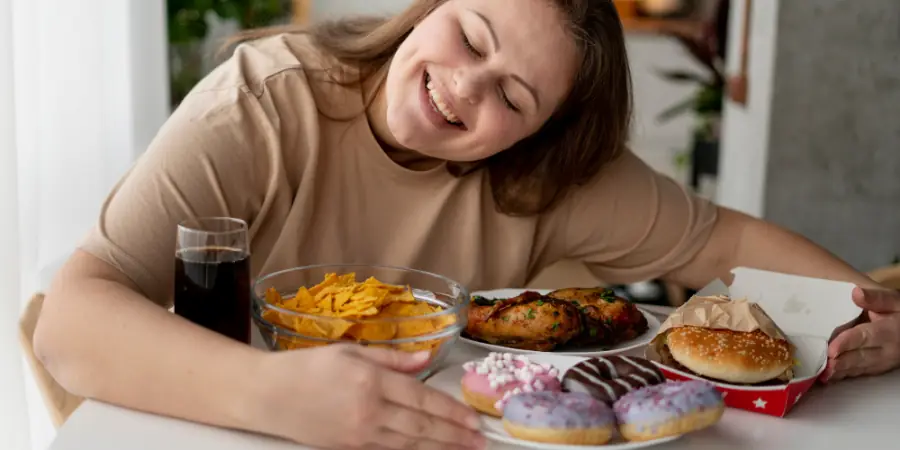
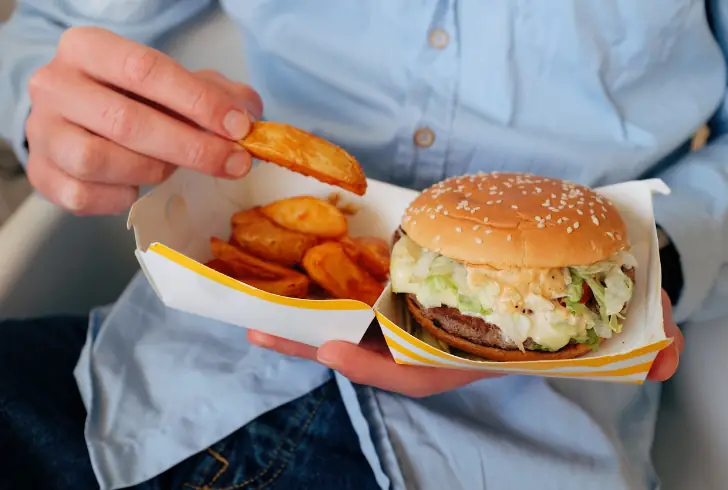
Ultra-processed foods are common in many American diets, from packaged snacks and processed meats to ready-to-eat meals and sweetened products. A new analysis of U.S. dietary data has found that men who reported higher consumption of these foods also had a greater risk of prostate cancer.
The findings add to growing research examining how food choices may affect long-term health.
The study, published in “The American Journal of Medicine,” analyzed data from 17,024 men aged 18 and older who took part in the National Health and Nutrition Examination Survey (NHANES) between 2003 and 2023.
Researchers estimated ultra-processed food (UPF) intake from two 24-hour dietary recalls. Using the NOVA classification system, they divided participants into four groups based on the share of daily energy coming from UPFs.
Men in the lowest group received less than about 20% of their total energy from ultra-processed foods. In the highest group, that figure exceeded about 44%.
Prostate cancer status came from self-reported information. Researchers then used statistical models to assess risk while accounting for age, smoking, race and ethnicity, and poverty status.
Risk Increased With Higher Intake
Compared with men in the lowest UPF-consumption group, those in the combined second, third, and fourth groups had a 29% higher risk of prostate cancer. The reported relative risk was 1.29, with a 90% confidence interval of 1.03 to 1.62 and P = .031.
Men in the combined third and fourth groups had a 30% higher risk, with a relative risk of 1.30 and a 90% confidence interval of 1.03 to 1.65.
The highest-consumption group alone showed a 31% higher risk, although that result did not reach statistical significance. After adjustment for the study’s prespecified factors, the relative increases were 27%, 31%, and 34%, respectively.
The researchers noted that the effect sizes were modest. Still, even a relatively small increase could matter at a population level because prostate cancer affects a large number of men in the United States and worldwide.
Researchers Urge More Research
Charles H. Hennekens, MD, FACPM, FACC, professor of medicine and preventive medicine at Florida Atlantic University (FAU) in Boca Raton, served as the study’s senior author.
“Those who consumed higher amounts of UPFs had significantly higher risks of the subsequent development of prostate cancer,” Hennekens said in a news release.
He added that the findings contribute to evidence about the potential health effects of ultra-processed foods and support the need for large observational studies and randomized trials.
The study does not establish that ultra-processed foods directly cause prostate cancer. Its observational, cross-sectional design limits the ability to determine cause and effect. Dietary information also came from self-reported recalls, which can contain inaccuracies.
Other possible influences were not fully measured. These included family history, prostate-specific antigen screening and physical inactivity, among other factors.
Diet Remains Part of Prevention
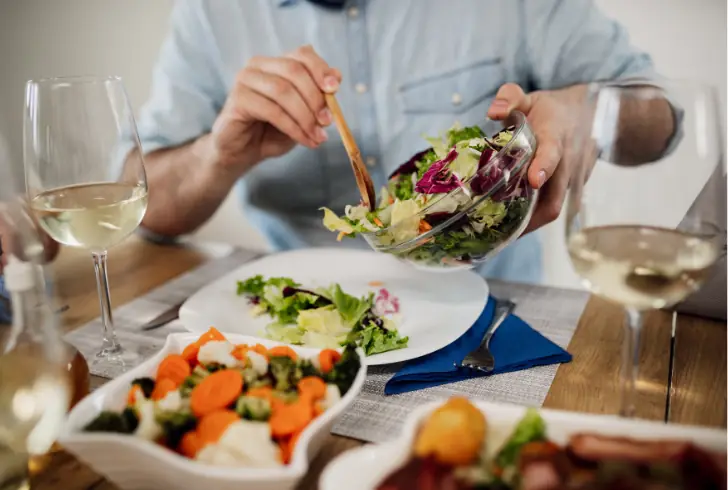
Despite the limitations, the authors said the findings support conversations about healthier eating as part of preventive care. They also recognized that cutting back on UPFs can be difficult because these products are widely available and often convenient.
Timothy De Ver Dye, PhD, JD, professor and chair of FAU’s Department of Population Health and a study author, pointed to another concern: access to healthier foods.
“Many patients face barriers to accessing and affording healthier food options,” De Ver Dye said.
That issue makes dietary counseling more practical when it considers cost, availability, cooking time and individual circumstances rather than simply advising people to avoid certain foods.
The NHANES analysis found an association between greater ultra-processed food intake and higher prostate cancer risk among U.S. men. However, the results do not prove a direct cause-and-effect relationship. More research is needed to clarify the connection.
For now, the findings add another reason to consider the overall quality of the diet, while recognizing the real-world challenges many people face when choosing less processed foods.