
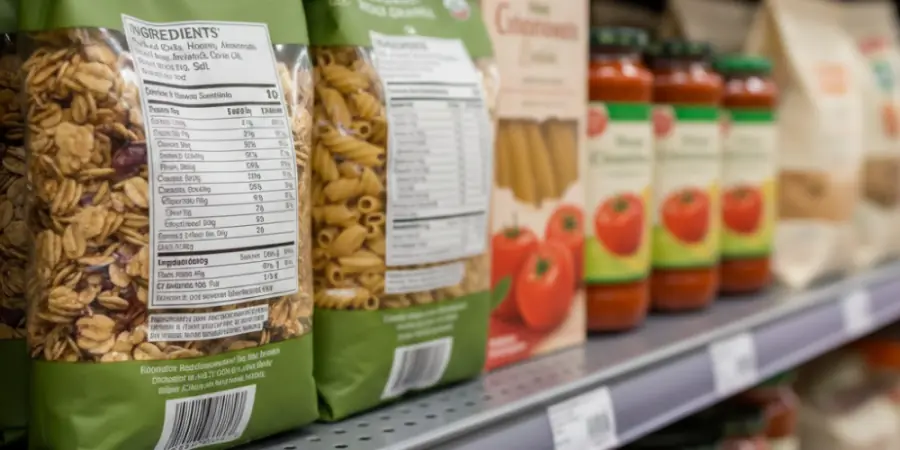
Food preservatives help keep grocery shelves stocked and meals convenient. However, growing research suggests those benefits may come with trade-offs. Two large studies from France now point to possible links between common preservatives and serious health conditions, including cancer and type 2 diabetes.
While scientists urge caution, the findings already spark important conversations about daily food choices.
The new research draws from the NutriNet-Santé project, one of the world’s largest nutrition studies. Researchers followed more than 100,000 volunteers between 2009 and 2023. Throughout the study, participants logged meals, brands, and product details, which allowed researchers to track preservative intake with unusual precision.
After more than a decade of observation, patterns began to appear. People who regularly consumed higher levels of certain preservatives showed increased rates of cancer and metabolic disease. Still, the researchers stressed that these results highlight associations, not direct cause-and-effect.
Preservatives Most Commonly Consumed

Researchers identified several food additives that appeared most often in participants’ diets. Each has a specific role in keeping foods safe and visually appealing:
- Sorbates – slow mold in baked goods
- Sulfites – common in alcoholic beverages
- Nitrates and nitrites – used in processed and cured meats
- Acetates and acetic acid – found in pickles and sauces
- Erythorbates – often paired with nitrites to preserve color
Because these compounds are present in many packaged foods, exposure can build up over time.
Cancer Risk Signals Emerge
Over nearly eight years of follow-up, more than 4,200 participants developed cancer, with breast, prostate, and colorectal cancers most common. Higher sodium nitrite intake stood out, showing a notable link to prostate cancer. This preservative is frequently found in cured meats, where it helps prevent bacterial growth and preserves color.
Experts stress that these preservatives are widespread in food systems globally, making the findings relevant beyond a single country.
Why Causation Remains Unclear
Experts caution that the results don’t prove causation. Processed meats and alcohol already carry known cancer risks, and isolating preservatives’ effects is difficult. Genetics, lifestyle, and overall diet also influence risk. While the findings don’t establish a direct link, they point to areas that need further research.
Type 2 Diabetes Findings Add Another Layer

A separate study using the same NutriNet-Santé data focused on metabolic health. This analysis examined 17 preservatives and found that 12 showed links to higher rates of type 2 diabetes.
Participants with the highest overall preservative intake faced nearly a 50% greater risk compared with those who consumed the least. Researchers described these results as the first large-scale evidence connecting preservatives with diabetes development in humans.
Although more studies are needed for full confirmation, these findings echo earlier research suggesting that some additives may negatively affect metabolism.
What These Findings Mean for Shoppers
The guidance is practical rather than alarming. Eating preserved foods isn’t inherently dangerous, but repeated exposure may matter over time. Reducing processed food intake is a simple strategy.
Simple actions can help: reading labels, cutting back on packaged snacks and processed meats, and prioritizing fresh or minimally processed foods.
This research contributes to ongoing discussions about food processing and public health. As the evidence grows, being aware of everyday food choices is key. While details are still emerging, the message is clear: mindful eating supports long-term health.