

Wholesome, nutrient-dense food does more than satisfy hunger—it supports overall health, lowers the risk of diseases like cancer, and strengthens the body during treatment.
A well-balanced diet is both preventative and therapeutic, helping protect against chronic conditions while promoting recovery and energy in patients undergoing cancer care.
The Role of Nutrition in Cancer Care
Nutrition in oncology extends beyond general wellness. Cancer and its treatments place high demands on the body, increasing the need for energy, protein, vitamins, and minerals. Meeting these requirements supports tissue repair, maintains immune function, preserves healthy body weight, and enhances tolerance to therapies.
When nutritional needs are not met, patients face risks of malnutrition and cancer cachexia, a condition marked by involuntary weight loss, muscle wasting, and decreased physical strength.
Fatigue is another common challenge for cancer patients, often persisting despite rest. Nutrient-rich foods help stabilize energy by supporting muscle mass, regulating metabolism, and reducing inflammation.
Nutrition, therefore, serves a dual role—supporting physical recovery and aiding emotional resilience during treatment.
The Link Between Obesity and Cancer

Excess body weight can influence cancer risk and recovery. Research highlights that obesity increases the likelihood of developing several types of cancers, including breast, colorectal, endometrial, renal, and pancreatic cancer.
Maintaining a healthy body weight through nutrient-rich foods and physical activity can reduce this risk and improve outcomes for patients undergoing treatment.
Nutritional Challenges During Treatment
Cancer therapies often complicate eating patterns, creating a mismatch between nutritional needs and intake.
Radiation therapy can impact healthy tissues near tumors in the head, neck, abdomen, or pelvis. Patients may experience fatigue, loss of appetite, mouth sores, difficulty swallowing, diarrhea, constipation, and muscle loss.
Chemotherapy increases nutrient requirements but often brings nausea, vomiting, taste changes, mouth ulcers, and digestive disturbances. Patients may require alternate feeding methods, such as tube feeding (enteral) or intravenous nutrition (parenteral).
Surgical interventions raise nutrient demands during recovery. Patients may need liquid diets, soft or texture-modified foods, and small, frequent meals. In some cases, tube or intravenous feeding is necessary to meet energy and protein requirements safely.
Therapeutic Diets in Oncology
Nutrition in cancer care is highly specialized. Therapeutic diets are designed to maintain nutritional status, support metabolic functions, reduce treatment side effects, and aid recovery. Dietitians collaborate with oncologists to create personalized meal plans based on the patient’s cancer type, treatment stage, and cultural preferences.
Two widely applied therapeutic diets include:
1. High-Protein Diet
Essential during chemotherapy, radiation, or post-surgery recovery. Protein helps repair tissues, maintain muscle mass, and strengthen immunity. Foods like eggs, paneer, lentils, lean meats, and dairy products are critical.
2. Neutropenic Diet
Recommended for patients with low white blood cell counts due to chemotherapy-induced neutropenia. This diet prioritizes hygienically prepared, thoroughly cooked foods to reduce infection risks.
Early Nutritional Intervention
Nutritional care should begin as soon as cancer is diagnosed. Pre-treatment optimization, or pre-habilitation, can improve outcomes and support the body’s response to therapies. Individualized care considers cancer type, stage, treatment plan, side effects, and cultural food habits.
Dietitians follow established protocols, such as those from the European Society for Clinical Nutrition and Metabolism (ESPEN) and the Indian Association for Parenteral and Enteral Nutrition (IAPEN), to provide evidence-based guidance.
During treatment, patients benefit from:
1. Culturally familiar, easy-to-digest foods
2. Small, frequent meals to maintain energy
3. Adequate hydration
4. Increased protein intake to preserve muscle
5. Balanced nutrition to meet vitamins, minerals, and fiber needs
6. Strict adherence to food safety if immunocompromised
Diet and Healthy Aging
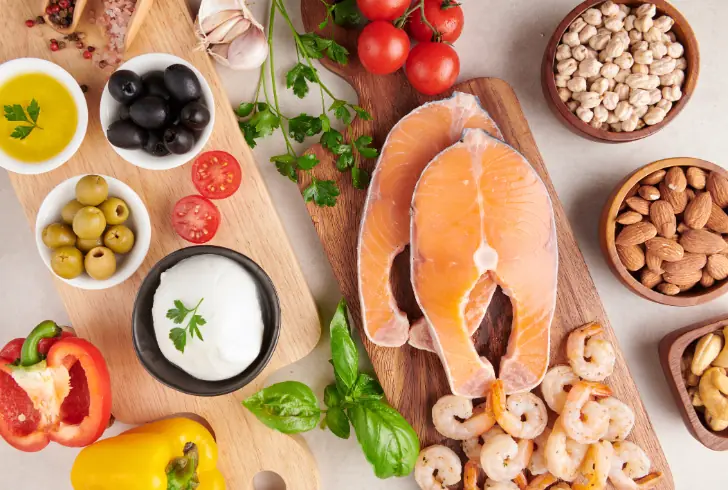
A nutritious diet extends beyond cancer care. Modern lifestyles often include fast food, sugary beverages, and processed snacks, increasing the risk of non-communicable diseases. Diets rich in whole grains, fruits, vegetables, legumes, nuts, and seeds provide fiber, vitamins, minerals, and antioxidants, supporting long-term health and disease prevention.
Research highlights the benefits of a Mediterranean-style diet in lowering cancer risk. High in fiber, healthy fats, and antioxidants, it reduces oxidative stress, supports cellular health, and helps maintain a healthy weight.
Indian spices such as turmeric, ginger, cumin, and coriander offer anti-inflammatory and antioxidant properties, helping modulate key cellular pathways. Conversely, diets high in processed meats, refined grains, and added sugars without adequate fiber can increase cancer risk.
Practical Dietary Guidance During Treatment
Simple, consistent choices can support nutritional status during therapy:
1. Choose familiar foods – Rice, millets, lentils, vegetables, and fermented foods are nutritious and gentle on the digestive system.
2. Eat small, frequent meals – This helps maintain energy when appetite is low.
3. Stay hydrated – Aim for at least two liters of fluids daily, unless medically restricted.
4. Increase protein intake – Include eggs, paneer, milk, curd, lentils, nuts, and lean meats to preserve muscle.
5. Maintain balanced nutrition – Combine whole grains, fruits, vegetables, protein, and healthy fats for vitamins, minerals, and fiber.
6. Prioritize food safety – Immunocompromised patients must follow strict hygiene practices to prevent infections.
Globally, the EAT–Lancet Commission recommends a largely plant-based, sustainable diet to prevent diet-related diseases while supporting environmental health.
Nutrition is not just a support system—it is a form of medicine. Thoughtful dietary choices influence recovery, immunity, and long-term health. Increasing intake of vegetables, fruits, legumes, whole grains, nuts, and seeds while limiting processed foods, red meats, sugary drinks, and alcohol can reduce cancer risk and promote overall well-being.
Combined with physical activity, weight management, and avoiding tobacco, this approach strengthens the body and lays the foundation for a healthier future.